
Horse Property for Sale in Lipan, TX: What Investors Need to Know
What should investors know before buying horse property for sale in Lipan, TX?
Lipan offers large rural tracts with equestrian infrastructure, agricultural tax advantages, and proximity to the Brazos River corridor, making it one of the more compelling horse property markets in the Parker County and Hood County area for investors seeking dual-purpose assets in 2026.
Why Lipan Horse Property Matters for Investors Right Now
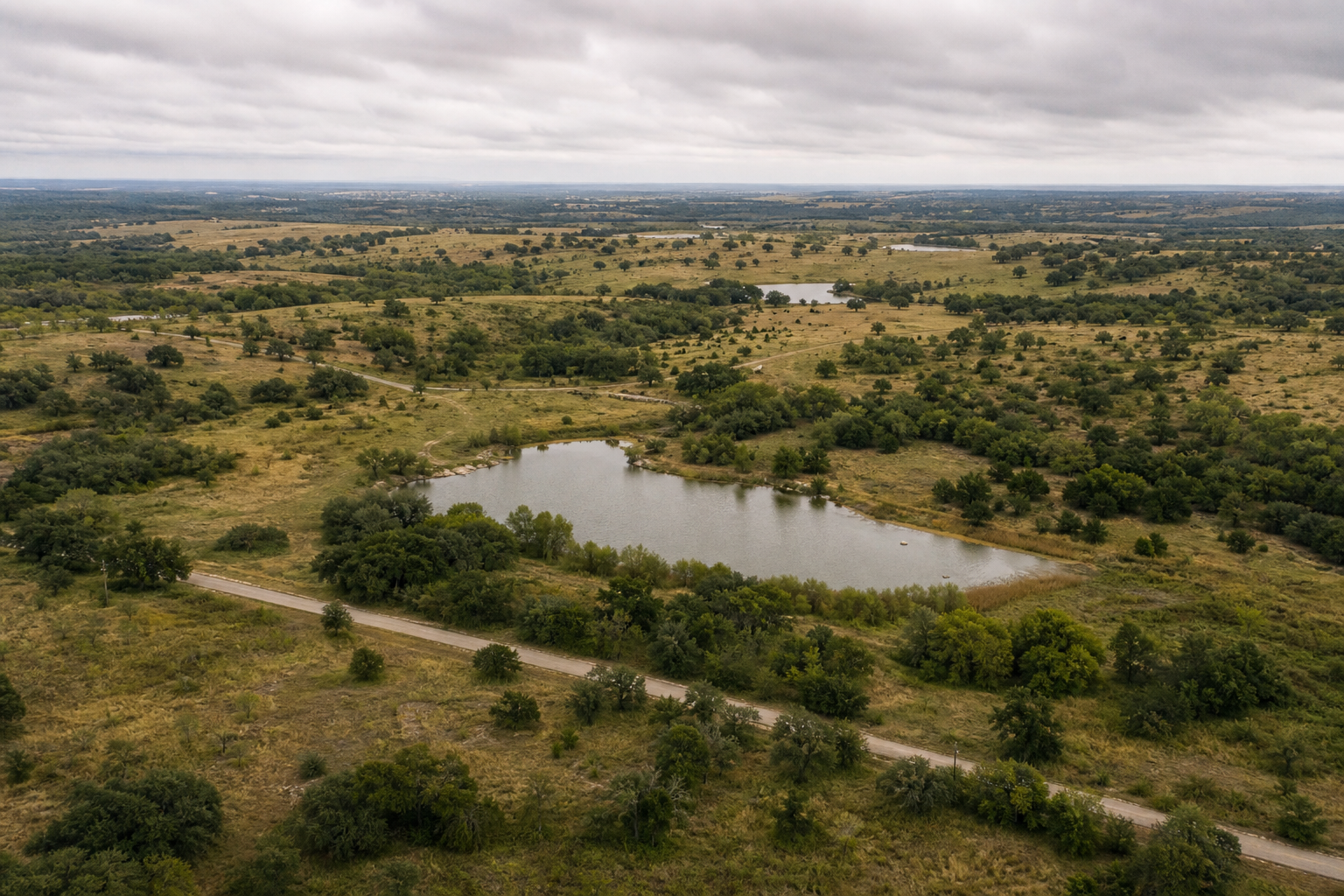
If you’re scanning the North Texas map for horse property that pencils out as an investment, Lipan deserves a serious look. This small community sits at the southwestern edge of Parker County, straddling the Hood County line, and it delivers something that closer-in DFW suburbs simply cannot: large, affordable acreage with the infrastructure to run a real equestrian operation.
Texas housing activity gained momentum in the first half of 2026, with sales outpacing 2025 and buyers adapting to higher mortgage rates and improving inventory. That broader market activity reflects conditions that DFW-based lifestyle buyers are navigating as they evaluate rural communities like Lipan. What I consistently see in this market is that quality horse properties in low-density areas don’t sit around waiting for buyers. When one hits the market, it tends to attract serious interest quickly.
With 17 years of experience helping buyers find ranch and equestrian properties across Parker County and surrounding areas, I can tell you that the investor math here works differently than it does for suburban residential. You’re not just buying a house. You’re buying land, infrastructure, tax positioning, and income potential.
Understanding What Horse Property Means in Lipan, TX
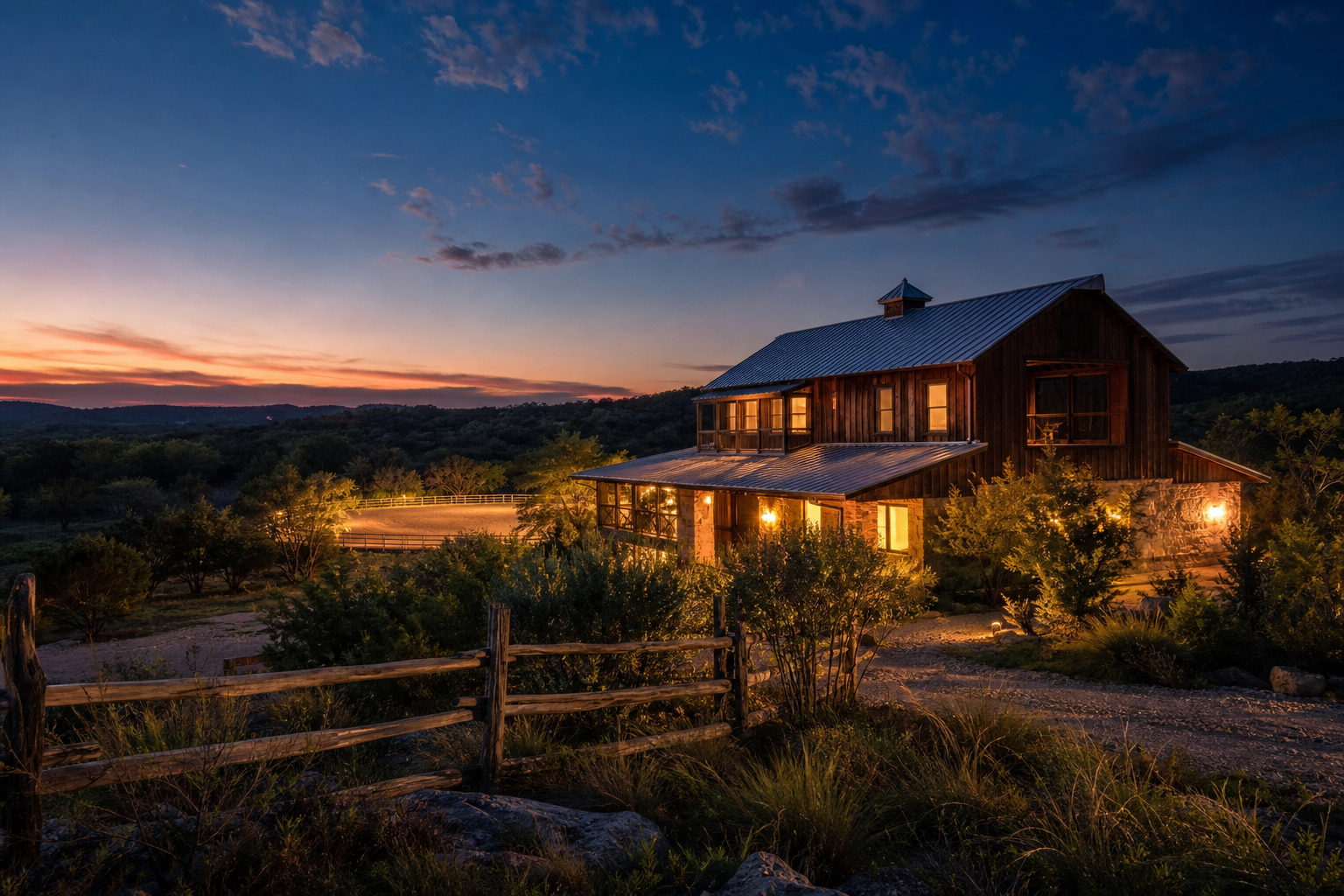
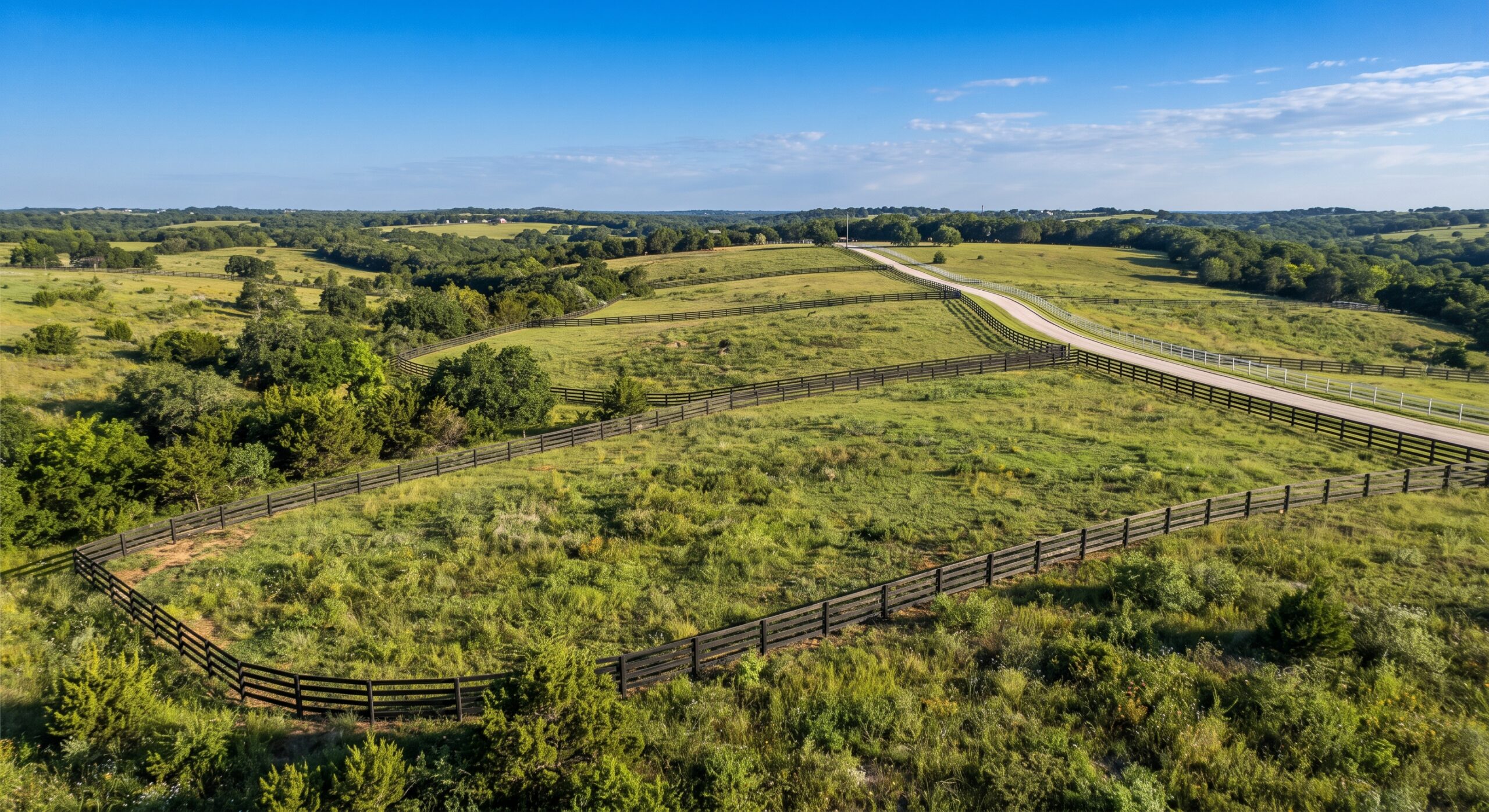
Before you write an offer, you need to understand what “horse property” actually includes in this part of Texas. It’s not just a house with a fence. In Lipan and the greater Parker County area, a horse property typically includes several key components.
- A residence on a rural tract, usually five acres or more
- Barn or stable facilities sized for multiple horses
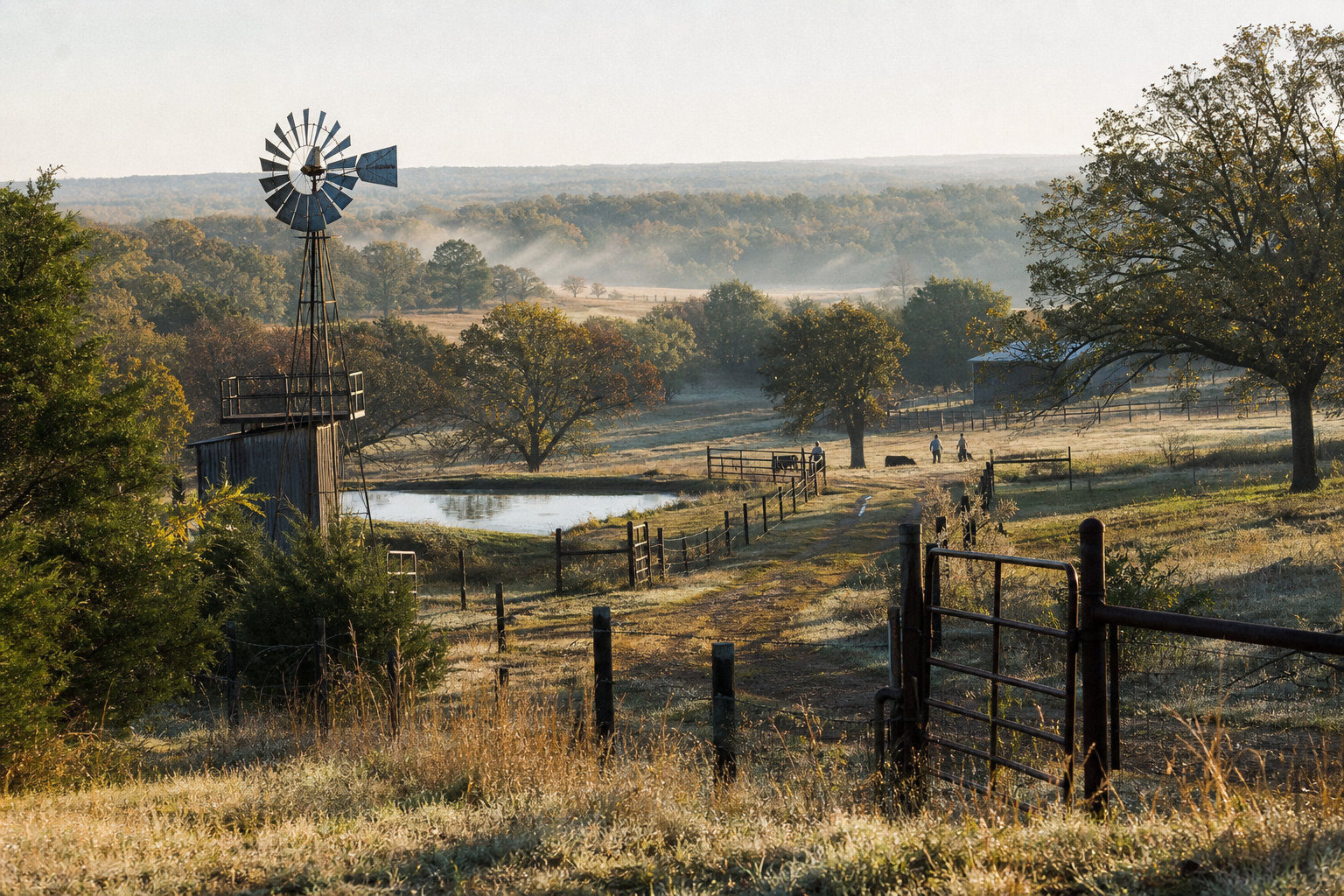
- Fenced and cross-fenced pastures with perimeter and interior fencing suitable for equestrian use
- An arena or round pen, often with prepared footing
- Water infrastructure, including wells with adequate capacity for livestock
- Agricultural or equestrian zoning that permits commercial boarding, training, or breeding
Why does this matter for your investment? Because every one of those features adds to your acquisition cost, your maintenance budget, and your income potential. A property with a well-maintained 10-stall barn and a regulation arena commands a very different price than bare land with a house on it. The county-wide median listing price for all residential property types in Parker County stood at $557,175 as of June 2026, per FRED (Federal Reserve Economic Data). But horse and agricultural tracts in Lipan typically list above that county-wide median because they bundle acreage, outbuildings, and specialized equestrian infrastructure. Think of $557,175 as a floor reference for your underwriting, not a comparable.
What does that actually mean for your budget? It means you need to come to the table with a clear understanding of which improvements matter for your investment strategy and which ones you can add later.
The Agricultural Exemption: Lipan’s Hidden Return Lever
Here’s where horse property investing in Lipan gets genuinely interesting. Texas offers an agricultural exemption, often called an “ag exemption,” that converts your property’s taxable value from market value to productivity value. The difference can be dramatic.
Under the Texas Property Tax Code (Section 23.41 and following sections), qualifying agricultural land is taxed based on what the land produces rather than what it could sell for. The Parker County Appraisal District administers these exemptions locally, and qualification thresholds can vary, so you need to verify current requirements directly with the appraisal district before you factor this into your numbers.
To illustrate the concept: if a 20-acre horse property carries a market value of $800,000 and the county appraises its productivity value at $40,000, your taxable base drops by roughly 95%. At an effective county rate of approximately 1.8%, your annual tax bill would fall from roughly $14,400 to roughly $720 in that scenario. These are illustrative figures only, and actual productivity values and rates should be confirmed with the Parker County Appraisal District. But you can see why the ag exemption is often the deciding factor between a marginal and an attractive return.
What I tell my clients who are looking at equestrian investments is this: the ag exemption isn’t automatic, and it isn’t permanent. You have to maintain qualifying agricultural use. Horse operations, including boarding, breeding, and hay production, generally qualify, but you need to confirm your specific use case with the county. And if you ever change the land use, you may face rollback taxes covering several prior years. That’s a real cost you need to model before you buy.
Income Strategies for Horse Property Investors in Lipan
Buying a horse property in Lipan isn’t just about holding land and waiting for appreciation. The right property can generate income through multiple channels while you hold it, and several of those income streams also support your ag-exemption qualification.
Boarding and Training Revenue
Lipan’s proximity to the broader DFW equestrian community may support demand for quality boarding facilities, though investors should verify local occupancy conditions before underwriting boarding revenue. If your property has adequate stalls, pasture, and water capacity, boarding fees provide monthly cash flow. Arena rental for trainers who need facility access adds another layer.
Hay Production
Many horse properties in the Lipan area include improved pastures. Hay production serves double duty: it generates revenue from sales and it supports your agricultural exemption.
Hunting and Recreational Leases
Parker, Hood, Palo Pinto, and surrounding counties have a history of hunting lease activity. If your acreage supports seasonal hunting, you can layer that income on top of your equestrian operations. Some investors in this region also explore event hosting or trail riding access as supplemental revenue.
Long-Term Hold Appreciation
Lipan’s low population density and limited supply of improved horse properties historically support price resilience. When quality equestrian properties do come to market in Lipan, they don’t behave like commodity suburban homes. Having closed over 300 transactions across this region, I’ve watched how thinly traded rural equestrian listings tend to hold their value, whether from limited supply, strong buyer demand, or both.
So what’s the smart play? Combine boarding or hay income with the ag-exemption tax savings and a long-term hold position. That three-legged stool is what separates a good horse property investment from a great one.
Due Diligence Checklist for Lipan Horse Property
This is where sophisticated investors separate themselves from casual buyers. Horse property due diligence in Lipan carries several layers that standard residential transactions simply don’t have. Here’s your property due diligence checklist.
Water well capacity and water rights. This is non-negotiable. You need enough water for your horses, your residence, your pastures, and any boarding operation you plan to run. In my experience, inadequate water is the single most common deal-killer on rural equestrian properties. Get a well inspection and flow test before you commit.
Septic system sizing. If you plan to expand the residence or add a caretaker’s quarters, your current septic system may not support the additional load. Replacement or expansion costs can be significant in rural areas.
Easements and pipeline rights-of-way. Parker, Hood, Palo Pinto, and Jack counties all have oil-and-gas history. Pipeline easements can restrict where you build structures and how you use portions of your land. Review the title commitment and survey carefully.
FEMA flood-zone status. Lipan sits near the Brazos River corridor, and tributaries in this area can carry floodplain designations. Flood-zone property requires additional insurance and may limit improvements.
Deed restrictions or HOA covenants. Some rural subdivisions in the Parker County area carry covenants that limit or prohibit commercial equestrian use. If your investment strategy depends on boarding income, you need to verify that the property’s deed restrictions allow it.
None of these items carry a specific dollar figure because they vary dramatically by property. But every one of them can make or break your deal. The mistake I watch investors make is falling in love with the barn and the arena without checking the well capacity. Beautiful facilities don’t help you if you can’t water 15 horses.
Why Lipan Competes With Hood, Palo Pinto, and Wise County Properties
If you’re comparing horse properties across the region, you’re probably looking at listings in Hood County, Palo Pinto County, Wise County ranch properties, and even Jack County alongside Parker County and Lipan. Here’s what makes Lipan worth a premium, or at least a close look.
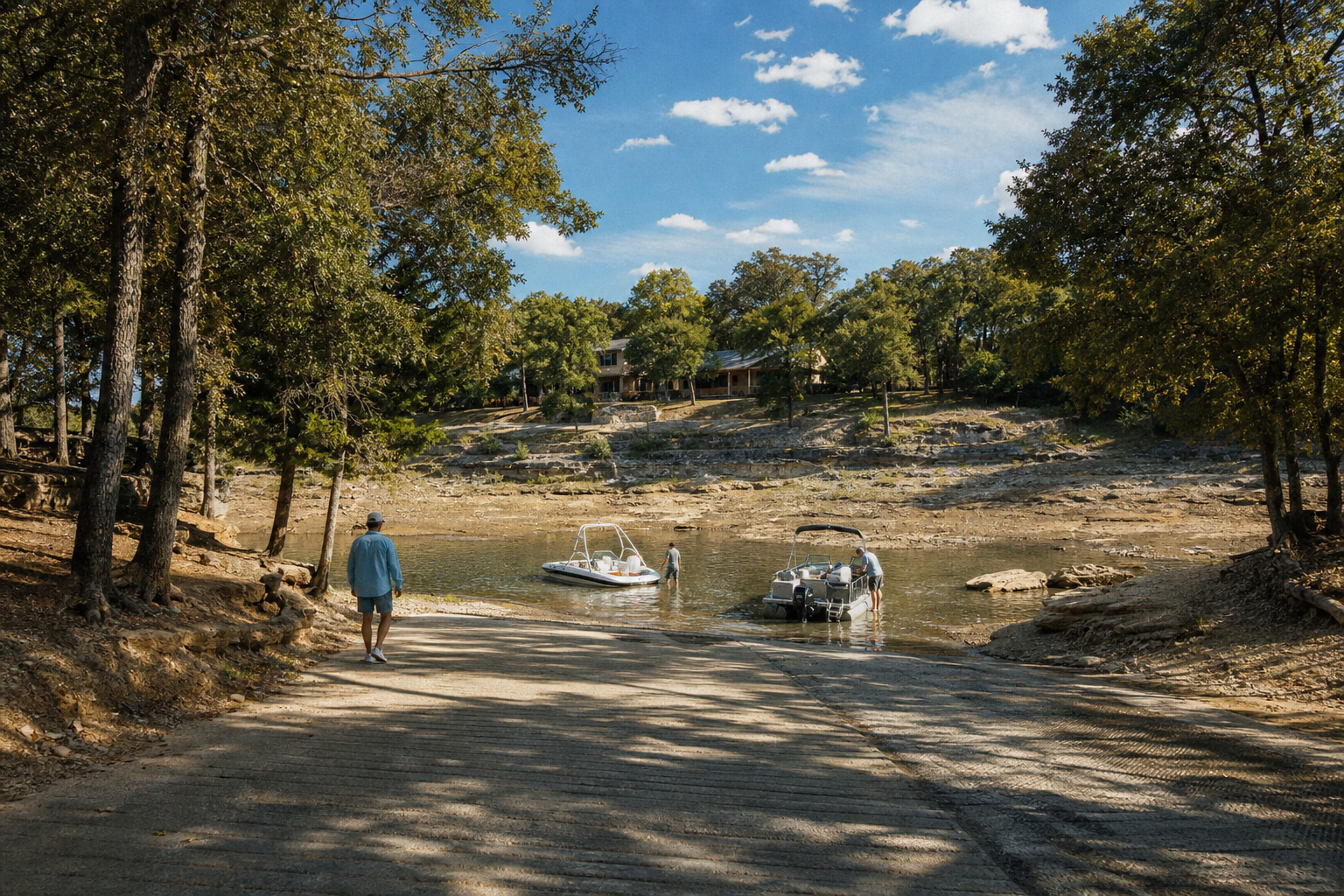
Lipan offers the large-tract, low-density feel of more remote counties like Palo Pinto or Jack, but with a Parker County address that many investors associate with proximity to the DFW metro. The Brazos River corridor gives the Lipan area natural beauty and recreational access that properties further north in Wise County may lack.
At the same time, you’re not paying the premium you’d face in closer-in Parker County communities like Weatherford, where suburban development has already compressed available acreage and pushed prices higher. Lipan sits in a sweet spot: rural enough for a genuine equestrian operation, connected enough to access DFW’s buyer pool when you eventually exit.
Rated 5 out of 5 stars by past clients and holding an ABR (Accredited Buyer’s Representative) designation, I help real estate investors evaluate these county-by-county trade-offs with real data rather than gut feel. One of my past clients put it well: “Her local knowledge of available properties is invaluable. She is a true professional in every sense.”
Frequently Asked Questions
How many acres do you need for horse property in Lipan, TX?
Functional horse properties in the Lipan area vary in size depending on the intended operation — the Parker County Appraisal District can confirm current minimum acreage requirements for agricultural exemption qualification, but the ideal size depends on your operation. Boarding and training facilities typically need more pasture and arena space than a personal-use property. The Parker County Appraisal District sets qualification thresholds for agricultural exemptions, and you should verify current minimum acreage requirements directly with them before purchasing.
What is the agricultural exemption, and does horse property in Lipan qualify?
The Texas ag exemption taxes qualifying agricultural land at its productivity value rather than its market value, which can substantially reduce your property tax bill. Horse operations, including boarding, breeding, and hay production, generally qualify under the Texas Property Tax Code. However, specific qualification requirements are administered by the Parker County Appraisal District, and you should confirm eligibility for your intended use.
What are the biggest risks of investing in horse property near Lipan?
The primary risks include inadequate water supply for livestock, pipeline easements that restrict land use, FEMA flood-zone designations near Brazos River tributaries, and rollback taxes if you change the land’s agricultural use. Each of these risks is manageable with proper due diligence, but you need to investigate them before closing.
How does Lipan horse property pricing compare to Parker County averages?
The median listing price for all residential property types in Parker County was $557,175 as of June 2026, per FRED. Horse properties in Lipan typically list above that county-wide median because they include substantial acreage, barns, arenas, and other equestrian infrastructure. Treat the county median as a floor reference rather than a direct comparable.
Can you generate income from horse property in Lipan?
Yes. Common income sources include horse boarding, arena rental, hay production, and hunting or recreational leases. Many of these activities also support ongoing agricultural exemption qualification, creating a tax benefit alongside the revenue stream.
What should I check about water before buying horse property in Lipan?
Get a professional well inspection and flow test. You need to confirm that the well produces enough water volume for your horses, your residence, your pastures, and any commercial boarding operation. Water rights and well permits can also be relevant in rural Texas transactions.
Are there deed restrictions on equestrian use in the Lipan area?
Some rural subdivisions in Parker and Hood counties carry covenants that limit or prohibit commercial equestrian operations. If your investment depends on boarding or training revenue, review deed restrictions and any HOA covenants thoroughly before purchasing.
What is the rollback tax risk for horse property investors in Lipan?
If you change the land’s use away from agricultural production, the county may assess rollback taxes covering several prior years. Contact the Parker County Appraisal District for current rollback rules and time periods.
Why would a DFW investor choose Lipan over closer-in Parker County locations?
Lipan offers larger tracts and lower population density than communities closer to the DFW metro like Weatherford, while still carrying a Parker County address. The low population density and Brazos River corridor access support genuine equestrian operations without the suburban encroachment you face closer to the metro.
Is 2026 a good time to invest in horse property in Lipan, TX?
Texas housing activity gained momentum in the first half of 2026, with sales outpacing 2025 across the state. For horse property investors, rising overall sales activity in Texas coincides with continued interest in rural lifestyle properties, though thinly traded markets like Lipan move on their own dynamics.
The Bottom Line
The key is doing your due diligence thoroughly, especially on water, easements, and ag-exemption qualification.
With 17 years of experience in real estate across Parker County and surrounding areas, and as someone who lives on a ranch, raises cattle, and participates in the equestrian world, I bring firsthand knowledge to every horse property transaction. If you’re evaluating horse property in Lipan or anywhere in Parker, Hood, Palo Pinto, Wise, or Jack counties, I’d welcome the chance to walk through the numbers with you. Reach out to me, Lynae Amason, at 817-522-2897 or through my office at 220 Fort Worth Hwy, Suite 700, Weatherford, TX 76086. I’m not just your agent; I’m your neighbor and your advocate in this market.