
Is Rhome, TX a Good Place to Live for Real Estate Investors?
Is Rhome, TX a good place to live, and does it make sense as a real estate investment in 2026?
Rhome offers investors a compelling entry point into the DFW exurban growth corridor, with lower land costs than closer-in suburbs and strong demand from Fort Worth commuters. Whether it is right for your portfolio depends on your strategy, timeline, and tolerance for a still-maturing market.
Why Rhome, TX Matters for Investors Right Now
If you have been watching the DFW expansion push outward, Rhome should be on your radar. Sitting roughly 30 miles northwest of Fort Worth along the US-287/US-81 corridor, this small Wise County city is positioned squarely in the path of growth that has defined North Texas for the past several years.
Texas added over 2.5 million residents between April 2020 and July 2025, reflecting an 8.8% population increase according to the U.S. Census Bureau. Fort Worth alone surpassed 1,008,106 residents as of July 2024, per Census Bureau estimates, making it one of the fastest-growing large cities in the country by numeric gain. That demand pressure does not stay contained within city limits. It radiates outward, and communities like Rhome are direct beneficiaries.
With 17 years of experience in real estate across Parker County, Wise County, and the broader North Texas region, I have watched this outward migration accelerate. What I tell my investors is simple: pay attention to where commuters are moving, not just where they are living today.
Rhome’s Location Along the DFW Commuter Corridor
You cannot evaluate Rhome without understanding its geography. The town sits along US-287, one of the primary routes connecting the DFW metroplex to communities stretching northwest toward Decatur and beyond. For workforce housing investors, this matters enormously.
Why Commute Access Drives Demand in Rhome
Fort Worth’s explosive growth has pushed demand outward into surrounding communities. Workers priced out of neighborhoods closer to downtown are moving to communities where they can find more space for less money. Rhome fits that profile. You are looking at a commute of roughly 30 to 40 minutes into central Fort Worth, depending on traffic, which many DFW workers consider manageable.
When I am advising investors, I always emphasize that road access is one of the most underrated factors in long-term property appreciation. Tenants care about their drive, and properties along major corridors are often considered more accessible to tenants — though local conditions vary and past performance in any specific market is not guaranteed.
Comparing Rhome to Neighboring Markets
Investors in this corridor frequently weigh Rhome against Decatur to the north and Weatherford in Parker County to the west. Each has a different character. Decatur serves as the Wise County seat with a more established downtown core. Weatherford, where my office is located, has a broader mix of luxury properties, ranch land, and suburban neighborhoods. Rhome, by contrast, offers a quieter, more rural feel with the potential upside that comes from being earlier in its growth cycle. That earlier-stage positioning can work in your favor if you are patient.
What the Statewide Market Tells You About Investing in Rhome
I want to be upfront about something: verified, Rhome-specific MLS data (median home prices, local closed sales counts, local days on market) was not available from authority sources for this analysis. That is actually useful information for you as an investor, because it tells you this is still a small, emerging market rather than a heavily tracked suburban one.
What we do have are statewide Texas figures that provide important context.
- Days on market: The average across Texas reached 80 days in Q1 2026, which was 6 days longer than Q1 2025, according to Texas REALTORS.
- Inventory levels: Texas statewide inventory stood at approximately 5 months as of Q1 2026, up 0.3 months year over year, per Texas REALTORS.
- Seller concessions: In the July 2024 to June 2025 period, 74% of Texas sellers reduced their asking price two or more times before closing, according to the 2026 Texas Homebuyers and Sellers Report.
What does this actually mean for you if you are looking at Rhome? It means you are likely operating in a more balanced, buyer-friendly environment than what we saw during the 2021 to 2022 frenzy. More negotiating room. Fewer bidding wars. More time to conduct due diligence. Having closed over 300 transactions across this region, I can tell you that kind of environment rewards the prepared investor.
The Investment Case for Rhome, TX in 2026
Let me lay out the thesis plainly so you can decide whether it fits your strategy.
Workforce Housing Demand
The core investment argument for Rhome centers on workforce housing. As Fort Worth continues growing (remember, it crossed the one-million mark), workers in trades, logistics, healthcare, and service industries need affordable housing within commuting range. Rhome’s position along US-287 makes it a viable option for renters who work in the Fort Worth metro but cannot afford to live there.
Lower Entry Costs for Investors
Rhome generally offers lower land and property costs compared to closer-in DFW suburbs. While I cannot cite a specific Rhome median price from verified data, the qualitative reality is clear: you are getting more acreage and more square footage per dollar than you would in, say, north Fort Worth or Keller. For investors pursuing single-family rental or buy-and-hold rental strategies, that lower entry cost can improve your cash-on-cash return potential.
Who Is Buying in Texas Right Now
The 2026 Texas Homebuyers and Sellers Report shows that first-time buyers accounted for only 21% of Texas home purchases during the July 2024 to June 2025 survey period. That means repeat buyers — including move-up buyers and investors — account for the majority of transactions statewide, though the data does not break out investors specifically. You are not swimming against the current here; you are moving with it.
The Honest Caveats
No serious investment analysis skips the risks. Rhome is a small community, which means your tenant pool is narrower than it would be in a more urban setting. Resale liquidity can be tighter in exurban markets, especially if DFW growth slows or interest rates stay elevated. The statewide 80-day average days on market (as of Q1 2026, per Texas REALTORS) gives you a general sense of how quickly properties are moving, but in a smaller market like Rhome, individual properties can sit longer.
What I consistently see with investors in this area is that those who succeed are the ones who buy with a long-term hold perspective rather than expecting a quick flip.
What You Should Know About Rhome, TX Before You Buy
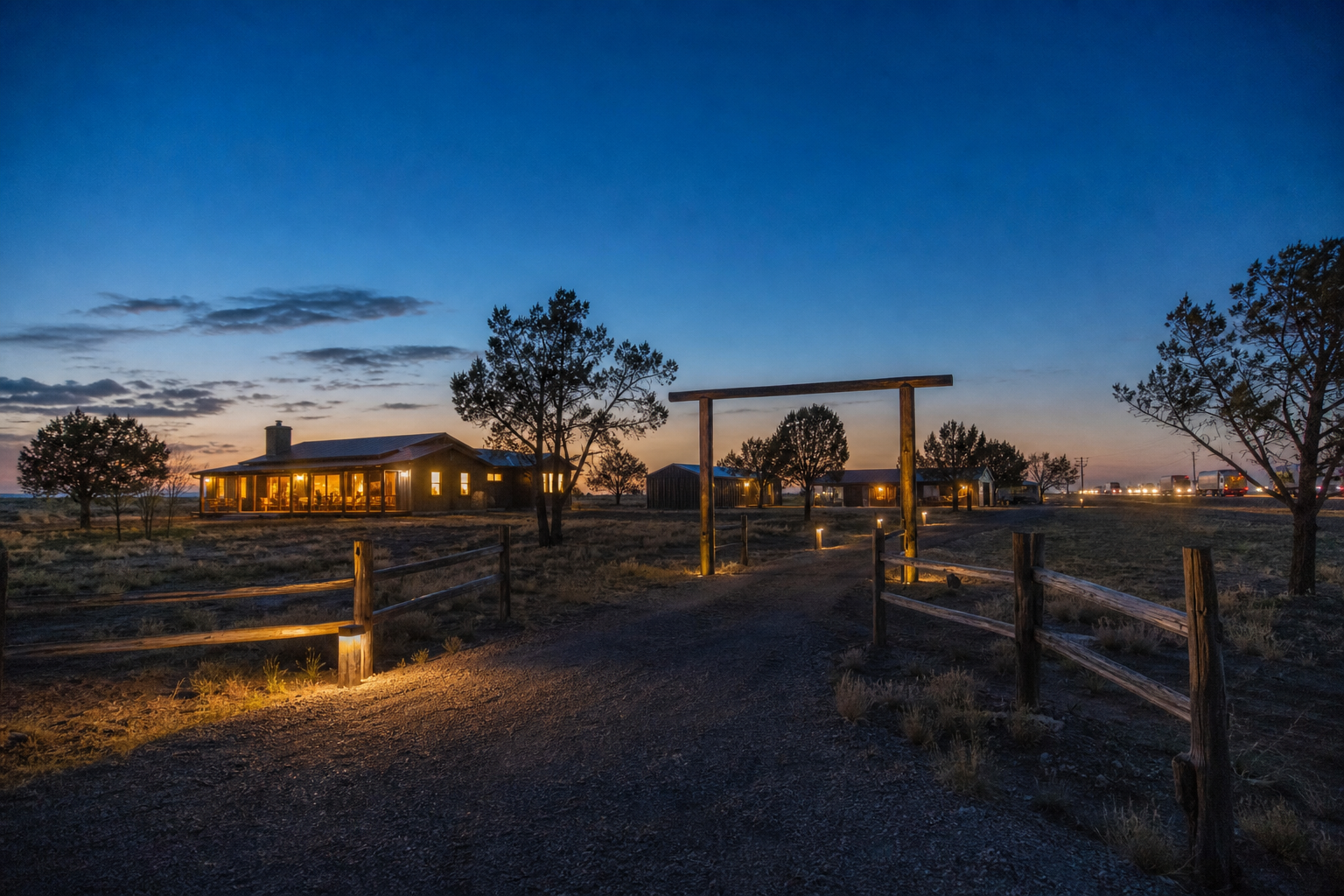
Beyond the numbers, you need to understand the character of the community you are investing in. Rhome is rural. It is not a master-planned suburb with HOA pools and retail centers at every corner. The appeal here is space, privacy, and proximity to Fort Worth without the suburban density.
Land and Ranch Opportunities
If your investment strategy includes ranch properties or raw land in Wise County or the broader Parker County region, Rhome and its surrounding areas deserve your attention. I live on a ranch myself, raise cattle, and participate in the equestrian world, so I understand the nuances of rural property transactions in a way that goes beyond square footage calculations. Agricultural exemptions, water rights, fencing conditions, soil quality: these details matter when you are buying land, and they can significantly affect your carrying costs.
Infrastructure and Growth Trajectory
One thing I always point out to investors considering exurban Texas markets is that infrastructure follows rooftops. As more families and workers move to communities along the US-287 corridor, additional services and infrastructure investment may follow over time, though no specific timeline or outcome is guaranteed for any individual market. That progression is not guaranteed on any specific timeline, but it is a dynamic I have observed across multiple North Texas communities, though no specific timeline is guaranteed for any individual market.
Frequently Asked Questions About Living and Investing in Rhome, TX
Is Rhome, TX a good place for real estate investment in 2026?
Rhome presents a reasonable opportunity for investors focused on workforce housing and long-term holds. Its position along US-287 gives it commuter access to Fort Worth, and lower entry costs compared to closer-in suburbs can improve your margins. The statewide market as of Q1 2026 shows approximately 5 months of inventory and 80-day average days on market, per Texas REALTORS, suggesting a balanced environment with negotiating room.
How far is Rhome, TX from Fort Worth?
Rhome sits roughly 30 miles northwest of Fort Worth along US-287. Depending on traffic conditions, you are looking at a commute of approximately 30 to 40 minutes into central Fort Worth. That proximity to a city of over one million residents (as of the July 2024 Census estimate) is a core driver of Rhome’s investment appeal.
What types of properties are available in Rhome, TX?
Rhome and the surrounding Wise County area offer a mix of single-family homes, raw land, and rural acreage. You will find opportunities ranging from modest starter homes suitable for rental conversion to larger tracts appropriate for ranch properties or future development. The area’s rural character means lot sizes tend to be larger than what you would find in suburban DFW.
Is the Texas real estate market favorable for buyers right now?
The statewide data suggests more balance than in recent years. According to the 2026 Texas Homebuyers and Sellers Report, 74% of Texas sellers reduced their asking price two or more times during the July 2024 to June 2025 period. Statewide inventory of about 5 months (as of Q1 2026, per Texas REALTORS) gives buyers more options and less urgency than during the peak frenzy years.
Can I find affordable ranch properties near Rhome, TX?
Wise County and neighboring Parker County are known for ranch and rural land opportunities. While specific Rhome price data was not available from verified authority sources for this analysis, the area generally offers more affordable acreage than closer-in DFW locations. I specialize in ranch properties and land transactions and can help you navigate agricultural exemptions and other rural property considerations.
What should investors know about tenant demand in Rhome?
The demand fundamentals are supported by Fort Worth’s continued population growth, which has pushed workers to seek housing in communities within commuting range. However, the tenant pool is smaller than in urban or suburban markets, so you should plan for potentially longer vacancy periods between tenants.
How does Rhome compare to Weatherford for investment purposes?
Weatherford, the Parker County seat, is a more established market with a broader property mix including luxury homes, ranch land, and suburban neighborhoods. Rhome tends to offer lower entry points but with a less mature local economy. Your choice depends on your investment strategy and which market character better fits your goals.
Are there any risks to investing in a small market like Rhome?
Yes, and you should weigh them carefully. Smaller markets carry risks including tighter resale liquidity, narrower tenant pools, and slower appreciation in economic downturns. The statewide average of 80 days on market (Q1 2026, per Texas REALTORS) may understate how long individual Rhome properties could take to sell. A long-term hold strategy mitigates many of these risks.
Is Rhome a good fit for first-time home buyers in the Fort Worth area?
Rhome can work well for first-time buyers looking for more space and lower costs while maintaining Fort Worth commute access. Statewide, first-time buyers represented 21% of Texas purchases during July 2024 to June 2025, per the 2026 Texas Homebuyers and Sellers Report. The relatively affordable entry point in this area can make homeownership more accessible for buyers who might be priced out of closer-in neighborhoods.
What kind of agent should I work with when buying in Rhome?
You want someone who understands rural and exurban markets, not just suburban transactions. Land purchases, agricultural exemptions, well and septic considerations, and county permitting processes all require specific knowledge. With 300+ closed transactions, an ABR designation, and specialties in ranch land, raw land, and investor properties, I bring that depth of experience to every transaction in this region.
The Bottom Line on Investing in Rhome, TX
Rhome is not a sure thing; no investment is. But for investors who understand the DFW exurban growth story, who are comfortable with a long-term hold, and who recognize that lower entry costs come with trade-offs in liquidity and market maturity, this Wise County community deserves serious consideration.
The fundamentals are there: Texas population growth continues to push demand outward, Fort Worth’s one-million-plus population anchors the region, and the statewide market is giving buyers more room to negotiate than at any point in the past several years. What matters now is executing your strategy with local knowledge and careful due diligence.
I have spent 17 years working with investors, first-time buyers, and landowners across Parker County, Wise County, and the surrounding North Texas region. My clients rated me 5 out of 5 stars across 38 reviews because I give honest guidance, not hype. If you are evaluating Rhome or any community in this corridor for your next investment, I would welcome the conversation. You can reach me, Lynae Amason with Williams Trew Real Estate, at 817-522-2897.