

Do Data Centers Lower Property Values in Springtown, Texas?
If a data center is built near Springtown, will it lower your property values or hurt your real estate investment?
Data centers near Springtown can pressure nearby residential values through noise, visual impact, and land-use conflicts, but the full picture for investors is more complex than a simple yes or no.
Why This Matters Right Now for Springtown Property Owners
If you own property in Springtown or you’re considering an investment here in Parker County, the data center question is no longer theoretical. The North Fort Worth and Denton County corridor has seen significant data center development, and that build-out is creeping closer to communities like Springtown, Boyd, and Azle along the TX-199 and US-287 corridors.
I’ve spent 17 years working in Parker County real estate, and I can tell you that conversations about data centers come up at nearly every investor meeting I attend now. The concern is real: Springtown is the most affordable market in Parker County, with average home prices around $399,350, per RealtyTrac data. That affordability is part of what makes this community attractive. So anything that threatens it deserves a serious look.
What I tell my clients is this: the only positive thing really about data centers is that they’re bringing in more jobs. Beyond that, the impact depends heavily on proximity, zoning decisions, and whether local government negotiates smart terms.
How Data Centers Could Affect Springtown Home Values
The Proximity Factor
Not all properties near a data center are affected equally. The research is consistent on one point: properties within approximately one mile of a large-scale data center facility face the most direct pressure from noise, visual disruption, and increased truck traffic during construction phases. Properties two or more miles away are far less likely to feel measurable effects.
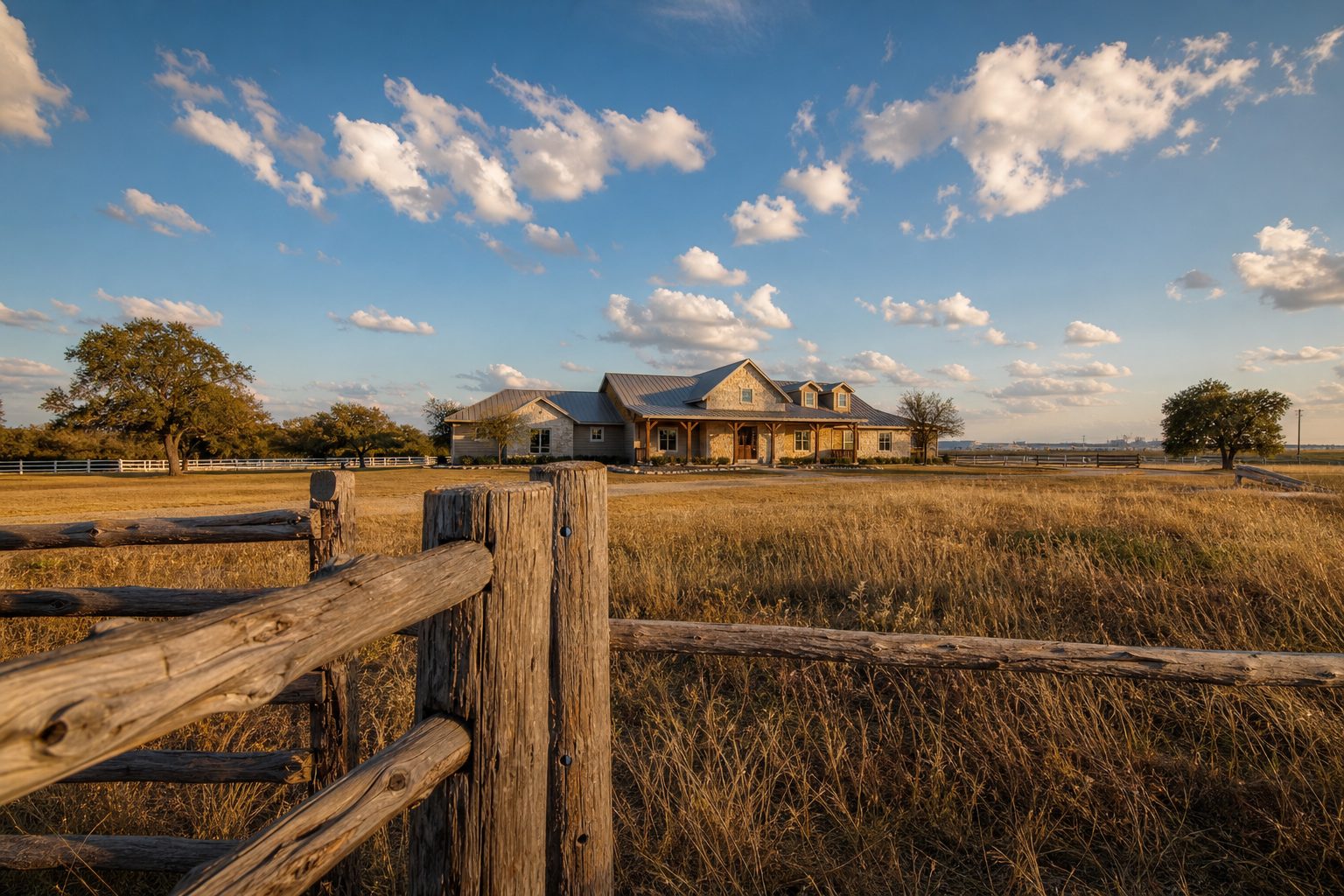
For Springtown specifically, that matters. The town’s core runs along TX-199 (Palo Pinto Street), with residential neighborhoods branching out along Boyd Road and Goshen Road. If a facility were sited on the eastern edge of the community, closer to the Tarrant County line, properties along Main Street and in the city center would likely be buffered by distance. Acreage properties on the western and southern outskirts, closer to ranch land and equestrian properties, would probably see minimal direct impact.
But what about the properties in between? That’s where the picture gets complicated, and where having boots-on-the-ground knowledge of Springtown’s micro-neighborhoods becomes critical. With over 300+ closed transactions across Parker County and surrounding areas, I’ve learned that real estate impact is always hyper-local, never county-wide.
Noise, Cooling Systems, and Rural Character
Data centers require massive cooling infrastructure that runs continuously. In a rural community like Springtown, where people buy property for the quiet, the open sky, and the agricultural character, that constant industrial hum represents a fundamental shift. Springtown’s housing stock is primarily medium-to-large single-family homes on generous lots, according to neighborhood data. Many residents chose this community specifically because it feels like small-town Texas, not industrial Texas.
So will the noise alone tank your property value? Not necessarily across the board. But for ranch properties in Parker County and acreage listings that market “peace and quiet” as a selling feature, a nearby data center introduces a competing narrative that can soften buyer interest.
What Springtown’s Current Market Tells Investors
Here is where the numbers get interesting. In the 76082 zip code, median listing prices rose from $365,000 in September 2025 to $389,000 in September 2026, a 6.58% increase in asking prices, per FRED data. Yet median sold prices actually dropped 8.13% over that same period, falling from $407,000 to $374,000.
What does that gap tell you? Sellers are optimistic, but buyers are cautious. Homes in Springtown currently sit on the market for an average of 138 days, up from 129 days the prior year. Across Parker County as a whole, the Q2 2026 median sales price was $475,000, down 2% from Q2 2025, with inventory jumping 55.78% year over year, according to Sotheby’s market data.
For investors, this is a buyer’s market. You have negotiating power here. The question is whether data center proximity adds another discount layer to already-softening prices, or whether the jobs and tax revenue those facilities generate eventually stabilize the market. With 38 five-star reviews from past clients and a specialty in ranch land and farm land management, I’ve guided buyers through exactly these kinds of calculations in Parker County for nearly two decades.
The Job Creation Argument: What It Actually Means for Springtown
I want to be honest about this, because I hear it from both sides. The only genuinely positive thing about data centers from a community perspective is that they bring in more jobs. Construction crews during the build-out phase need housing, meals, and services. Once operational, data centers employ permanent electrical technicians, security staff, and facilities managers.
For Springtown, where the median household income sits at $75,391 with a homeownership rate of 68.2% (per Census-based ACS data from 2024), even modest job creation matters. A few dozen permanent positions paying above-median wages can lift spending at places like the Springtown Pharmacy on Main Street and Mesquite Pit BBQ on TX-199. That economic ripple is real, even if it’s small.
However, data centers are famously capital-intensive and labor-light. A facility worth hundreds of millions of dollars might employ fewer than 50 permanent workers. And here is the part that concerns me as someone who works with first-time home buyers in Fort Worth and investors alike: many data center projects negotiate tax abatements with local governments. Those abatements can reduce or delay the property tax revenue benefits that communities expect, which means the promised school funding and road improvements may not materialize on the timeline residents hope for.
What Smart Investors in Springtown Should Do Right Now
If you’re evaluating Springtown properties as an investment, here is the framework I recommend:
- Check zoning maps before you buy. Parker County and Springtown zoning decisions are the earliest signal of where data center development might land. Properties in areas zoned or re-zoned for industrial or commercial use carry different risk profiles than those in established residential or agricultural zones.
- Evaluate proximity realistically. A property five miles from a proposed data center site is a completely different investment than one half a mile away. Do not treat “Springtown” as a monolith.
- Consider rental demand upside. Construction-phase workers and permanent data center employees may create short-to-medium-term rental demand. For single-family rental investors, this could actually improve occupancy and rental rates in the $300,000 to $375,000 price range where Springtown’s sweet spot sits.
- Monitor comparable communities. Other Texas towns in Denton County and areas near Midlothian have already absorbed data center development. Their property value trajectories offer useful comparison data.
- Factor in the “Westoplex” growth thesis. As noted at the 2026 Real Estate Symposium by a UTA real estate finance expert, western Tarrant County is a structural multi-year growth corridor as eastern Metroplex land tightens. Springtown sits at the edge of that growth path, and data center development is part of that story whether residents welcome it or not.

How Parker County’s Broader Market Shapes Your Decision
You cannot evaluate Springtown in isolation. Parker County’s median listing price reached $557,175 as of June 2026, per FRED data, while the average listing price stood at $690,742 as of September 2026. Springtown’s average price of approximately $399,350 makes it the most affordable entry point in the county.
That affordability gap is your opportunity as an investor, but it is also what makes Springtown more sensitive to industrial development. In luxury markets like those closer to Weatherford’s historic core, a data center two towns over barely registers. In a working-class community where the median property value was $261,300 in 2024 (per Census data), showing a 16.9% increase from $223,600 in 2023, even small disruptions to buyer sentiment can move the needle.
Tarrant County’s commercial property values, for context, rose 17.4% in 2026 according to O’Connor and Associates. The industrial and commercial real estate market is booming. That commercial growth is exactly what is driving data center expansion westward toward communities like Springtown.
Frequently Asked Questions
Do data centers directly lower Springtown property values?
Properties within about one mile of a data center facility face the most direct pressure from noise, visual disruption, and construction traffic. Properties further out are less likely to see measurable impacts. The effect depends on the specific site, the facility’s scale, and what buffer zones exist between the data center and residential neighborhoods.
How many jobs does a typical data center create in a community like Springtown?
Data centers are capital-intensive but labor-light. A large facility might employ fewer than 50 permanent workers once operational. The construction phase generates more employment, but those jobs are temporary. The positive element is that these positions tend to pay above the median household income of $75,391 reported for Springtown in 2024 Census data.
Is Springtown still a good investment in 2026 despite data center concerns?
Springtown offers the most affordable entry point in Parker County, with average home prices around $399,350. With homes sitting on market for 138 days on average and sold prices running below asking prices, investors have strong negotiating leverage. The data center question adds complexity but does not eliminate the investment case.
What are data center tax abatements and why should Springtown investors care?
Many data center operators negotiate tax abatements with local governments, which reduce or delay property tax revenue to the community. This matters because one of the primary arguments in favor of data centers is increased tax revenue funding schools and roads. If abatements are granted, those benefits may take years to materialize.
How far from a data center should I buy property in Springtown?
Based on available research, properties two or more miles from a data center facility are less likely to experience measurable negative effects on value. Closer than one mile, noise from cooling systems and visual impact become factors that can deter residential buyers.
Will data center development increase rental demand near Springtown?
Construction-phase workers and permanent employees may create short-to-medium-term rental demand, which could benefit single-family rental investors. Springtown’s price point in the $300,000 to $375,000 range positions it well for this rental market segment.
How does Springtown compare to the rest of Parker County for investors?
Parker County’s Q2 2026 median sales price was $475,000 with 79 days on market, per Sotheby’s market data. Springtown sits well below that median, offering a lower entry point but also a community more sensitive to industrial land-use changes.
What should I check in Parker County zoning records before buying near Springtown?
Review current zoning designations and any pending re-zoning applications. Properties in established residential or agricultural zones carry different risk profiles than those near areas being considered for industrial or commercial re-zoning. Your agent should pull these records before you make an offer.
Does the “Westoplex” growth trend benefit Springtown investors?
The “Westoplex” thesis, identified at the 2026 Real Estate Symposium, positions western Tarrant County as a multi-year growth corridor. Springtown sits along this growth path. Data center development is part of that expansion, bringing both opportunity and disruption depending on property location.
How do I evaluate a Springtown property’s data center risk before purchasing?
Map the property’s distance from any proposed or existing data center sites. Review local government meeting minutes for zoning discussions. Check utility infrastructure plans. And talk to an agent with deep Parker County knowledge who can interpret these factors for your specific investment goals.
The Bottom Line
Data centers are a reality of Parker County’s evolving economy. They bring jobs, and that economic contribution matters for Springtown. But they also introduce noise, visual impact, and land-use conflicts that can pressure nearby residential values, especially in a community where buyers come looking for rural character and open space.
As someone with 17 years of experience in this market, an ABR designation, and a specialty in ranch properties, land, and investor transactions across Parker County and the surrounding area, I can help you evaluate the specific risk to any Springtown property you’re considering. Not every parcel carries the same exposure, and the difference between a smart investment and a regrettable one often comes down to details that only local expertise in new Fairview and surrounding Parker County communities can provide.
If you’re weighing a Springtown purchase or want to understand how data center development affects your existing property, call me at 817-522-2897. I’m Lynae Amason with Williams Trew Real Estate in Weatherford, and this is exactly the kind of nuanced, property-specific conversation I have with investors every week.