

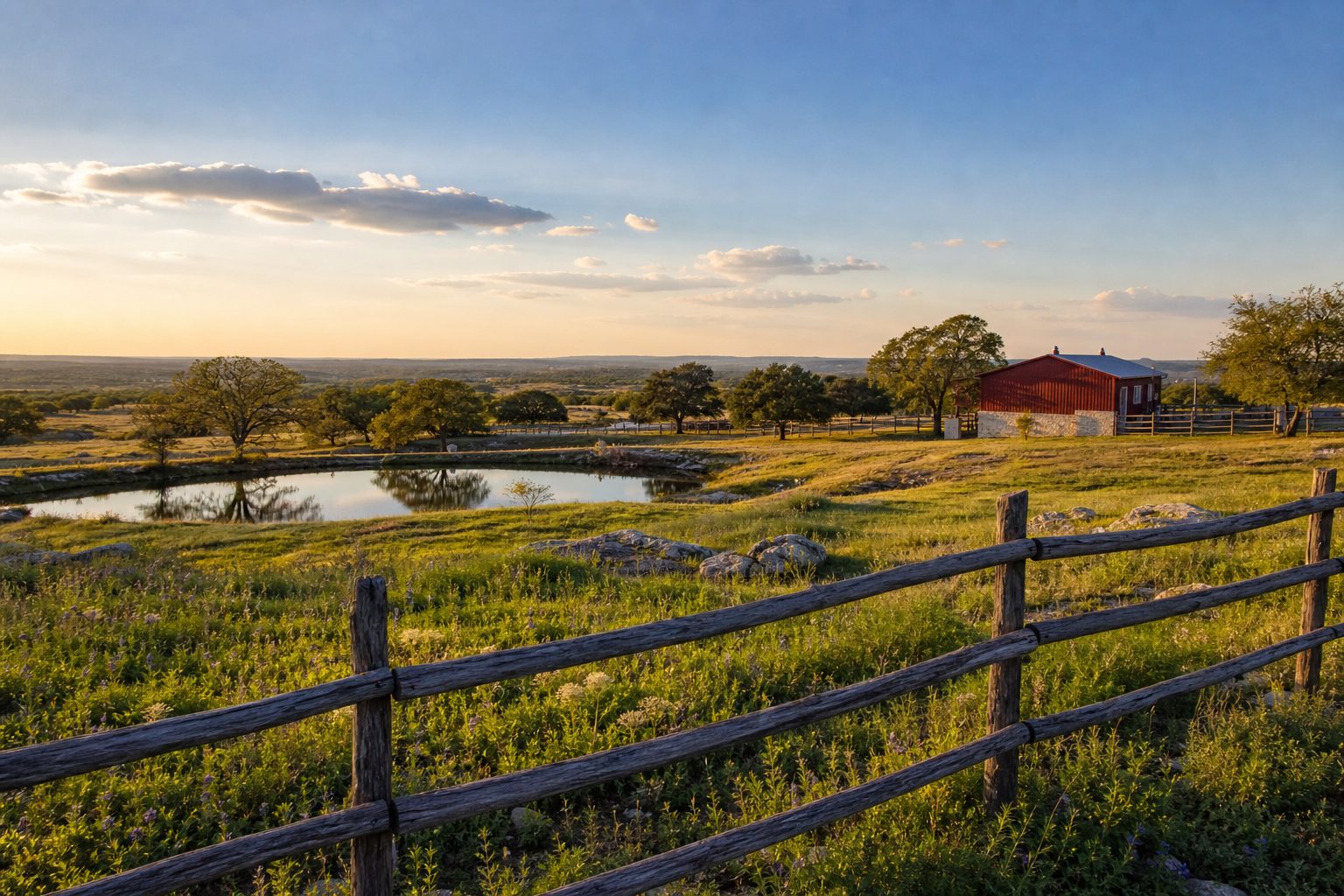
Buying Rural Property in Palo Pinto County: 10 Things to Check First
What should you check before making an offer on rural property in Palo Pinto County, Texas?
Before you write an offer on rural land in Palo Pinto County, you need to verify water rights, mineral ownership, legal access, survey accuracy, flood zones, zoning, utilities, ag exemptions, soil conditions, and market comparables.
Why Palo Pinto County Deserves Your Attention Right Now
If you’ve been looking west of Fort Worth for ranch properties, recreational land, or lake properties near Possum Kingdom Lake, Palo Pinto County keeps showing up on your radar for good reason. This county sits at a sweet spot where the Brazos River corridor meets Texas hill country terrain, and it offers investors something the tighter markets in Parker County and Tarrant County simply cannot: elbow room and negotiating power.
Here’s what the numbers tell us. According to Land Broker Co-op data, there are currently 97 land listings for sale in Palo Pinto County, with an average listing price of $491,151 and an average cost of about $17,720 per acre. The median days on market for land sits at 256 days, per LandWatch data. That extended marketing window gives you, the buyer, real room to negotiate.
With 17 years of experience helping investors, first-time buyers, and ranch buyers navigate this exact market, I can tell you that the biggest mistakes happen before the offer, not after. What I tell my clients is this: rural land due diligence is a completely different process than buying a house in Weatherford or Fort Worth. Here are the ten things you absolutely must check.
1. Water Rights and Well Production in Palo Pinto County
Water is the single most valuable asset on any rural property in Palo Pinto County, and it’s the first thing I walk clients through. The county sits in the Brazos River basin, and groundwater conditions vary dramatically from one tract to the next.
You need to verify:
- Existing well documentation, including gallons-per-minute (GPM) output
- Groundwater Conservation District regulations, as Palo Pinto County falls under the Upper Trinity GCD
- Surface water rights, especially for properties near Possum Kingdom Lake or along the Brazos River
- Water quality testing results, because mineral content is common in this region
If a property doesn’t have a producing well, you’ll need to budget for drilling one, and there’s no guarantee of output until the drill bit hits water. Never assume water availability based on a neighbor’s well.
2. Mineral Rights and Subsurface Ownership in Palo Pinto County
This one catches investors off guard more than almost anything else. Palo Pinto County’s economy is largely dependent on mining and mineral extraction-related businesses and services, according to county profile data. That history means mineral rights have frequently been severed from the surface estate over the decades.
You must confirm:
- Whether mineral rights convey with the surface
- Any existing oil and gas leases, pipeline easements, or active drilling permits
- Texas Railroad Commission records for permitted wells on or adjacent to the property
- How severed mineral rights could impact your future development plans
What does this actually mean for your investment? If someone else owns the minerals beneath your land, they may have the legal right to access the surface to extract them. That’s a deal-changer for many investors, and it’s something you want discovered during due diligence, not after closing.
3. Road Access and Legal Ingress/Egress
You’d be surprised how many rural tracts in Palo Pinto County are accessed by handshake agreements rather than deeded easements. When you’re evaluating a property, verify:
- Deeded access to a public road (not just a neighbor’s permission)
- Maintenance responsibility for any private roads
- Utility and pipeline easements that cross the property
- FM (Farm-to-Market) road frontage, which significantly increases property value
Having closed over 300 transactions across Parker County and the surrounding markets, I’ve seen road access issues delay or kill more rural deals than almost any other factor. If you can’t prove legal access, your lender may not close, and your resale value drops.
4. Survey and Boundary Verification for Palo Pinto County Acreage
The average size of ranches for sale in Palo Pinto County is 293 acres, per Land.com data. Properties of this scale are often operating on surveys that are decades old, if a survey exists at all.
You should:
- Obtain a current survey from a licensed Texas surveyor
- Verify that existing fence lines match the legal boundaries
- Check for encroachments from neighboring properties
- Confirm total acreage matches what the listing advertises
A new survey on a large tract is an investment, but it’s one that protects you from boundary disputes and acreage discrepancies that could cost you far more down the road.
5. Flood Zones, Drainage, and FEMA Maps
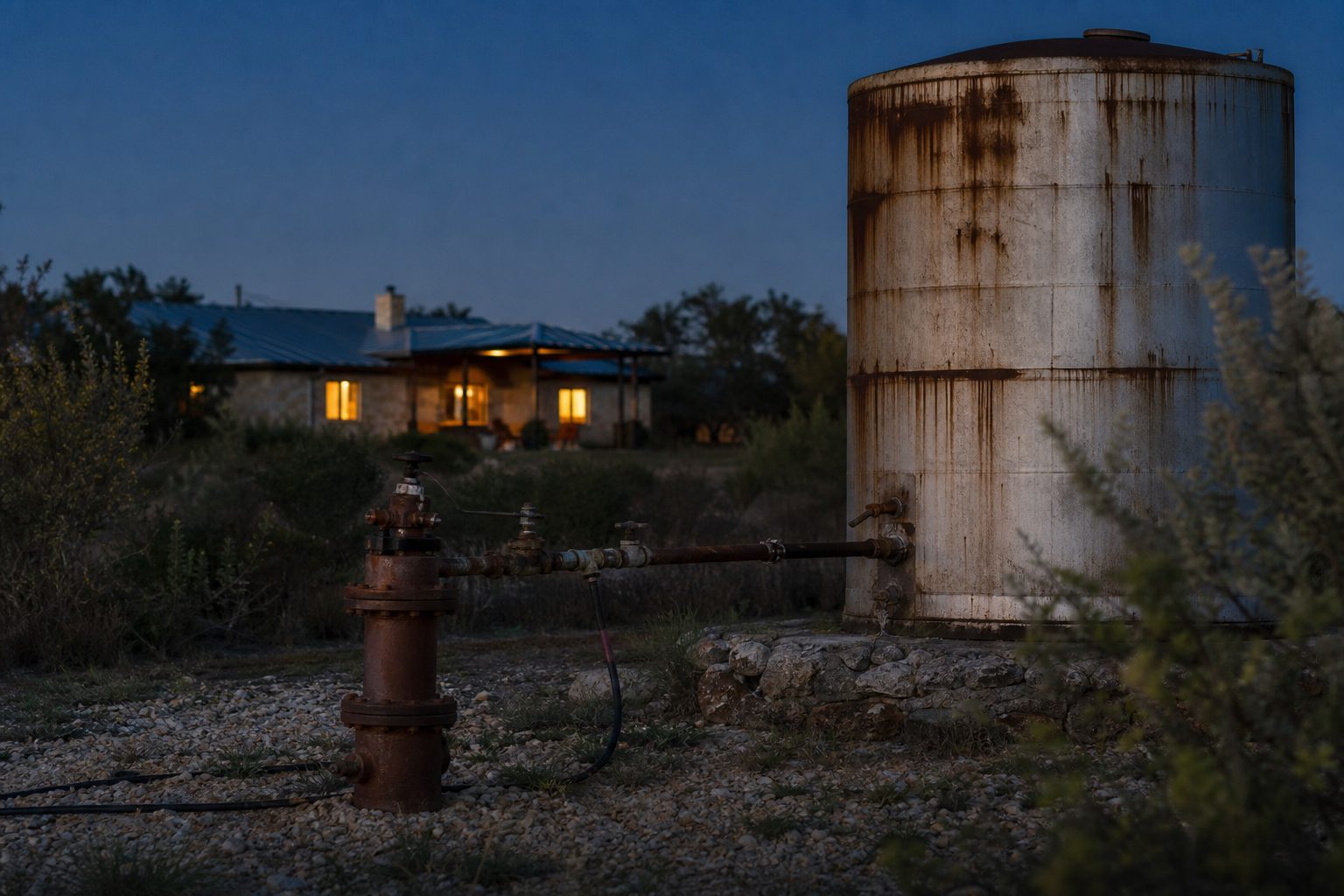
Palo Pinto County’s proximity to Possum Kingdom Lake, the Brazos River, and numerous creeks creates real flood risk. What makes this especially tricky is that many rural areas in the county are unmapped or rely on outdated FEMA flood maps.
You need to:
- Pull current FEMA flood maps for the specific parcel
- Evaluate drainage patterns, particularly on properties with creek crossings
- Factor in flood insurance costs if any portion falls within a designated flood zone
- Walk the property after a heavy rain if possible; that tells you more than any map
6. Zoning, Land Use Restrictions, and Deed Covenants
Palo Pinto County is largely unzoned. For investors, this is both an opportunity and a risk. The lack of zoning means you likely have flexibility for uses like hunting leases, short-term rentals, or RV parks, but it also means your neighbor has that same flexibility.
Check for:
- County subdivision regulations and platting requirements
- Deed restrictions or restrictive covenants (some gated communities like Legends of Comanche Moon Ranch carry HOA rules)
- Setback requirements from county roads
- Whether your intended use is actually permitted under existing restrictions
7. Utilities and Infrastructure on Rural Palo Pinto County Land
Do not assume that rural Palo Pinto County properties have access to standard utilities. Many do not. Before making an offer, verify:
- Electric service availability and which provider serves the area (Oncor, Erath County Electric Co-op, etc.)
- Septic system status, since most rural properties use septic rather than municipal sewer
- Internet and broadband availability, which is critical if you plan to use the property for short-term rentals or remote work
- Natural gas versus propane-only service
Running electric lines to a remote tract can cost thousands of dollars per pole. Know the number before you write the check.
8. Agricultural Exemptions and Tax Status in Palo Pinto County
Texas agricultural exemptions (technically called “1-d-1 open-space valuation”) can dramatically reduce your annual property tax bill on rural land. But here’s the catch: if you purchase a property with an existing ag exemption and then fail to maintain qualifying agricultural activity, you may owe rollback taxes covering up to five years of the tax difference, plus interest.
You need to:
- Verify whether the property currently carries an ag exemption
- Understand the rollback tax liability if the exemption lapses
- Confirm what agricultural activity qualifies (cattle, hay production, wildlife management)
- Budget for maintaining qualifying activity after your purchase
With a perfect 5 out of 5 rating across 38 client reviews, I take pride in making sure my investor clients understand every financial implication of a rural purchase, including the tax picture.
9. Environmental and Soil Conditions
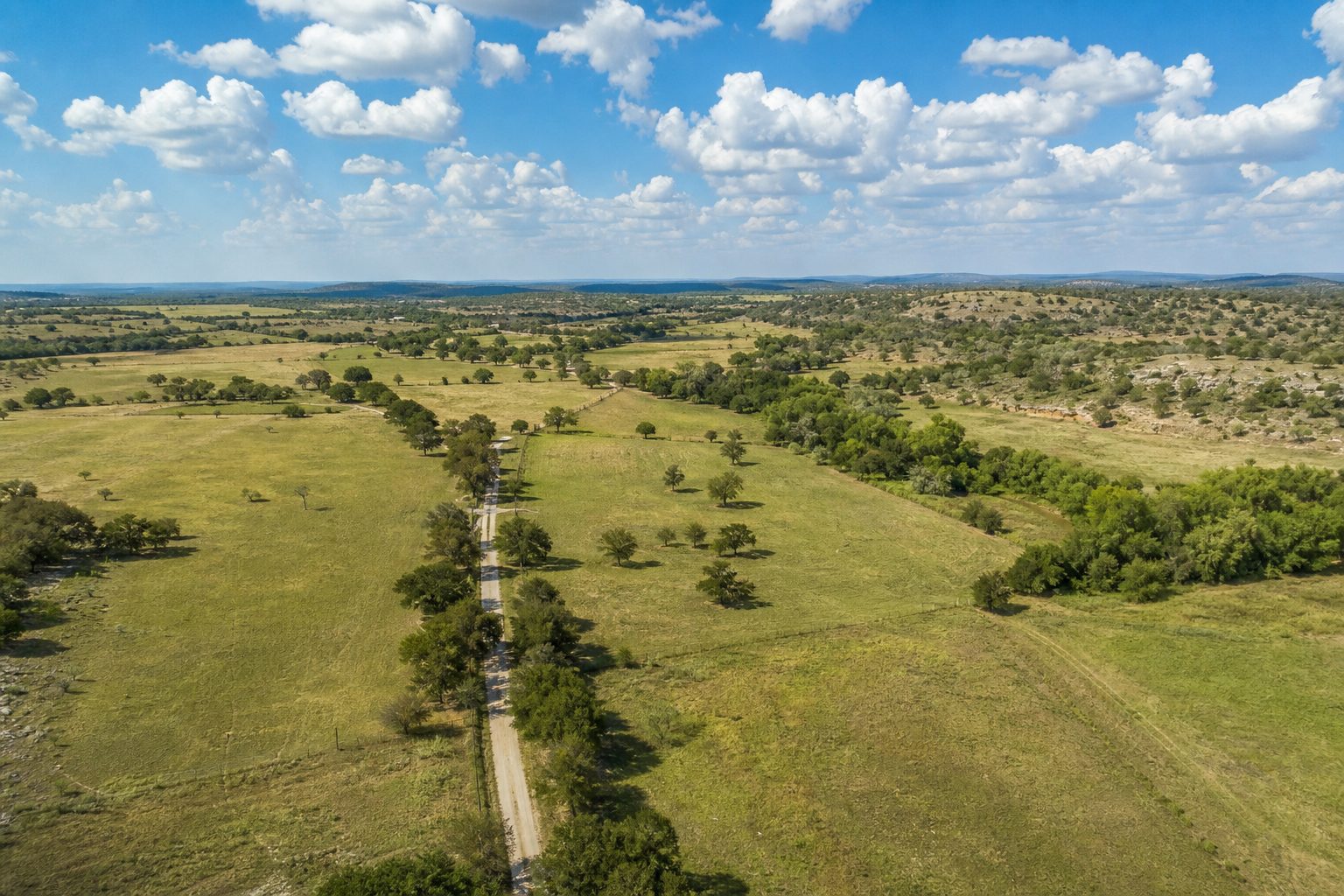
Palo Pinto County features diverse terrain, including agricultural fields, pastures, grasslands, creek valleys, and limestone outcroppings. Before you commit:
- Conduct a Phase I Environmental Site Assessment if you plan any commercial use
- Order a perc test for septic suitability if no existing system is in place
- Check for endangered species habitat designations
- Evaluate the terrain for buildability, since limestone formations are common and can significantly increase construction costs
10. Market Comparables and Investment Return Analysis
Here’s where the numbers matter most. According to LandWatch data, the median list price for land in Palo Pinto County is $799,450, with a median lot size of 31 acres, a median price per acre of $22,138, and a median of 256 days on market.
For a thorough investment analysis, you should:
- Pull recent comparable sales (not just active listings) from the Palo Pinto County Appraisal District
- Calculate price per acre against comparable properties in the immediate area
- Factor the long marketing time (256-plus days) into your exit strategy models
- Compare potential returns against alternatives in Parker County, where the median sales price was $475,000 in Q2 2026 per the Sotheby’s Q2 2026 report, and Tarrant County, where the median home price was $354,157 as of mid-2026 per FRED data
What I tell my clients is simple: the land in Palo Pinto County is priced for patience, not for flipping. If your investment thesis requires a quick exit, model it against that 256-day median and plan accordingly.
Frequently Asked Questions About Buying Rural Property in Palo Pinto County
How long does rural land typically sit on the market in Palo Pinto County?
According to LandWatch data, the median days on market for land in Palo Pinto County is 256 days. This gives buyers significant negotiating room, but it also means you should plan for an extended timeline if you ever need to resell. Pricing your offer based on comparable closed sales, not listing prices, will put you in the strongest position.
What is the average price per acre for land in Palo Pinto County?
Land Broker Co-op data shows the average cost at about $17,720 per acre, while LandWatch data reports a median price per acre of $22,138. The variation depends on property size, improvements, water access, and proximity to Possum Kingdom Lake. Larger tracts often carry lower per-acre costs.
Do mineral rights typically convey with land purchases in Palo Pinto County?
Not always. Because Palo Pinto County has a significant history in mining and mineral extraction, mineral rights have frequently been severed from the surface estate. You must specifically confirm mineral ownership in the title commitment before closing. Never assume they come with the land.
Can I use a conventional mortgage to buy rural property in Palo Pinto County?
Most rural properties over 10 acres require specialized lending, such as USDA loans, Farm Credit financing, or portfolio loans from local banks. Conventional Fannie Mae and Freddie Mac products are typically not available for raw land or large-acreage properties. Talk to a lender who specializes in rural and agricultural financing early in the process.
What is the rollback tax risk if I remove an agricultural exemption?
If a property’s ag exemption is removed, you could owe up to five years of the difference between the agricultural valuation and the market valuation, plus interest. On a large tract in Palo Pinto County, this can amount to a substantial sum. Calculate this before closing and decide whether you will maintain qualifying agricultural activity.
Is Possum Kingdom Lake property included in Palo Pinto County?
Yes. Possum Kingdom Lake sits primarily within Palo Pinto County, and lake properties near Possum Kingdom Lake are among the most sought-after parcels in this market. Lake access adds a premium to per-acre pricing, and you should verify whether you’re purchasing actual waterfront or simply “lake view” acreage.
How do I verify water well production on a Palo Pinto County property?
Request the well log and driller’s report, which should include the gallons-per-minute (GPM) output at the time of drilling. Then have the well independently tested for current production and water quality. Mineral content is common in this region and can affect both drinking water and livestock use.
What types of agricultural activity qualify for a Texas ag exemption?
Common qualifying uses include cattle ranching, hay production, crop farming (wheat and cotton are prevalent in Palo Pinto County), and wildlife management. Each county appraisal district has specific stocking rates and activity requirements. Confirm with the Palo Pinto County Appraisal District what qualifies for the specific tract you’re purchasing.
Should I get a new survey even if the seller has one?
Yes. On rural acreage, I always recommend obtaining a current survey from a licensed Texas surveyor. Old surveys may not reflect changes to fence lines, new easements, or boundary shifts. Given the typical property size in Palo Pinto County, with an average ranch size of 293 acres per Land.com data, the cost of a new survey is small insurance against boundary disputes.
How does the Palo Pinto County market compare to Parker County for investors?
Palo Pinto County offers lower per-acre pricing and larger available tracts, while Parker County’s median sales price was $475,000 in Q2 2026 (per the Sotheby’s Q2 2026 report) with an average of 79 days on market. Parker County moves faster and carries higher values but offers less raw acreage. Your choice depends on whether you’re investing for cash flow, appreciation, or recreational use.
The Bottom Line on Buying Rural Property in Palo Pinto County
Rural land in Palo Pinto County rewards the prepared investor and punishes the impulsive one. The ten items on this checklist are not optional extras; they are the foundation of a sound rural property investment. Water, minerals, access, surveys, flood risk, zoning, utilities, ag exemptions, soil conditions, and market comparables each have the power to make or break your deal.
With 17 years of experience specializing in ranch properties, farm land, and recreational land across Parker County and the surrounding West Texas corridor, I work with investors who want someone on their side who knows this terrain firsthand. If you’re considering a rural purchase in Palo Pinto County or anywhere in the region, I’d welcome the chance to walk you through the process. Contact Lynae Amason with Williams Trew Real Estate at 817-522-2897.