
How to Choose a Ranch and Land Realtor in Parker County: 10 Questions to Ask
How do you choose the right ranch and land realtor in Parker County, and what questions should you ask before hiring one?
You choose the right ranch and land realtor by asking targeted questions about their acreage transaction experience, knowledge of water and mineral rights, and familiarity with Parker County’s unique rural property landscape.
Why This Matters Right Now in Parker County
Parker County is not the sleepy ranching community it was a decade ago. According to the Parker County Economic Development Council, the county posted a 4.7% annual growth rate in 2025, gained 8,100 new residents in 2024 alone, and is forecasted to grow 23.1% by 2030. Five master-planned communities are actively under construction, including Walsh Ranch with a build-out target of 4,000 homes and 50,000 added residents.
What does all that growth mean for you as an investor looking at ranch and land properties? It means the landscape is literally shifting. Suburban development is pushing into formerly rural corridors, and the difference between a savvy land purchase and a costly mistake often comes down to the realtor sitting across the table from you.
With 17 years of experience working ranch and land transactions in Parker County, and living on a ranch here myself, raising cattle and participating in the equestrian world, I can tell you firsthand: not every agent understands this market. Here are the 10 questions that will help you find one who does.
Question 1: What Is Your Specific Experience With Ranch and Land Transactions in Parker County?
This might seem obvious, but you would be surprised how many investors skip this question. Residential real estate and ranch or land transactions are fundamentally different animals. In Parker County, the market segments tell the story clearly. According to Q2 2026 market data, ranch properties on 5 or more acres carry a median price of $650,000 or higher with an average of 65 days on market, more than double the 28 days typical for suburban homes under half an acre.
You need someone who has navigated that longer timeline, who understands the patience involved, and who knows how to price acreage based on comparable closings rather than guesswork. Having closed over 300 transactions in this market, I can tell you that the learning curve on land deals is steep, and you want an agent who already climbed it.
Ask for specifics: How many ranch or land transactions have they closed? In which parts of Parker County? What acreage ranges?
Question 2: How Do You Accurately Price Acreage and Ranch Properties in Weatherford and Beyond?
Pricing ranch and land in Parker County requires a completely different approach than pulling comps for a three-bedroom in a subdivision. Here is why this matters so much: as of July 2026, Weatherford’s median active listing sat at $642,450, while the median sale over the previous six months closed at $449,997, per Resideline data. That gap does not mean the market is crashing. It reflects the reality that active listings skew toward larger or higher-end product, and the real work is matching your specific property to the right comparable closings.
What Good Pricing Looks Like
Your agent should be able to explain how they evaluate:
- Per-acre value versus per-property value
- Improvements like barns, fencing, ponds, and corrals
- Road frontage and access quality
- Topography and usable acreage versus total acreage
- Proximity to growth corridors like Walsh Ranch and Veale Ranch
If an agent just pulls a countywide average and calls it a price opinion, that is a red flag. Parker County home values range from $61,925 to $6,750,000, per market data. A one-size-fits-all approach simply does not work here.
Question 3: Do You Understand Water Rights, Mineral Rights, and Agricultural Exemptions?
This is where I see investors get burned most frequently. In Texas, mineral rights can be severed from surface rights, which means you could buy a gorgeous 50-acre ranch property in Wise County or Jack County and discover someone else owns what is underneath it. Your agent needs to know how to research mineral rights ownership and explain what that means for your investment.
Agricultural exemptions are equally critical. A qualifying ag exemption can reduce your property tax burden by 90% or more on eligible land. But there are specific requirements around livestock counts, acreage minimums, and land-use history. What I tell my clients is to never assume an existing ag exemption will automatically transfer to you, and never assume your intended use will qualify.
Water rights are the third piece of this puzzle. Does the property have a well? What is the well’s permitted capacity? Is there access to rural water supply? These are not details you figure out after closing.
Question 4: How Well Do You Know Zoning, Land Use, and Parker County Development Trends?
Parker County has added over 8,700 single-family homes in the last five years, according to the Parker County Economic Development Council. Veale Ranch alone has already added 1,200 homes with a full build-out target of 30,000 added residents and 6,500 homes. If you are buying land for long-term investment, you absolutely need to understand how these developments will affect surrounding property values, traffic patterns, and land-use regulations.
Your agent should be able to walk you through which areas are in the path of growth and which are likely to remain rural. They should know the difference between buying land near the I-20 corridor between Weatherford and Fort Worth, where suburban pressure is intense, versus purchasing acreage out toward Palo Pinto County or Jack County, where the character remains deeply rural and price points are significantly lower.
Question 5: How Do You Market Ranch and Land Properties Differently From Residential Homes?
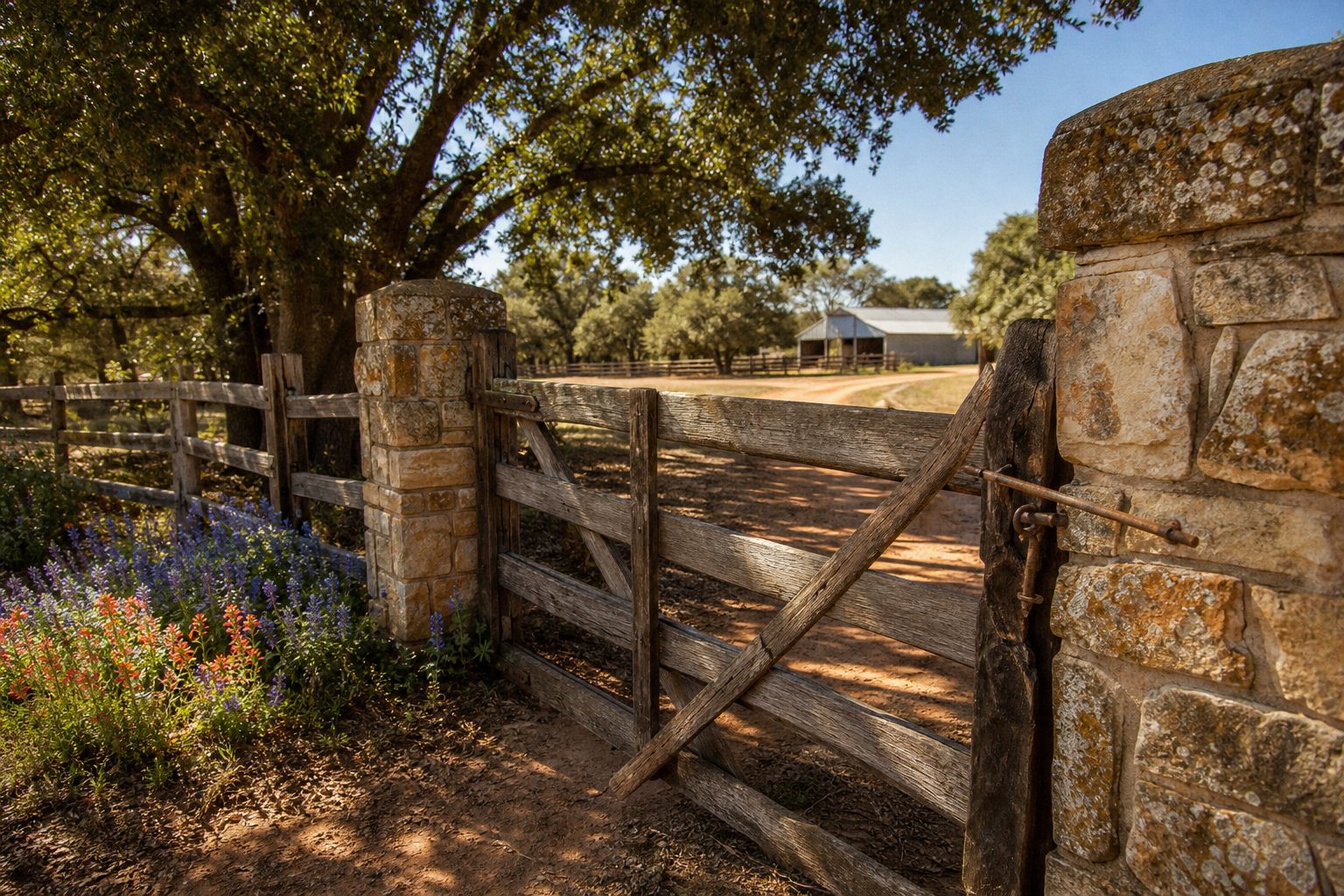
If you are selling ranch property, this question is non-negotiable. Ranch properties averaging 65 days on market need specialized marketing. You cannot just stick a sign on a fence post and list it on a database. Effective ranch marketing includes professional drone photography showcasing the full scope of the land, detailed property maps highlighting improvements and terrain, and targeted outreach to qualified buyers, including equestrian buyers, cattle operations, and recreational land investors.
A good ranch and land realtor will also understand the seasonal buying patterns. In my experience, spring is when most ranch buyers get serious, but savvy investors often find the best deals in late fall and winter when competition thins out.
Question 6: Can You Explain Financing Options for Land and Ranch Purchases in Parker County?
Conventional mortgages often do not apply to raw land or large acreage. Your agent should be able to connect you with farm credit lenders, portfolio lenders, and explain when seller financing might be an option. If your agent has never heard of Texas Farm Credit or cannot explain the difference between a land loan and a construction-to-permanent loan, you are talking to the wrong person.
Question 7: What Is Your Track Record With Investor Clients?
Investors have different priorities than primary-residence buyers. You care about cap rates, cash-on-cash returns, 1031 exchanges, and long-term appreciation potential. As of Q2 2026, Parker County’s median sales price was $475,000, just 2% less than Q2 2025, with closed sales surging 18% year over year to 943 transactions, per Sotheby’s market data. That combination of stable pricing and strong transaction volume is exactly the kind of data your agent should be interpreting for you, not just quoting.
One of my clients, a past reviewer, put it well: “Her local knowledge of available properties is invaluable. She is a true professional in every sense.”
Rated 5 out of 5 stars by past clients across 38 reviews, I take investor relationships seriously because this is not a one-time transaction for most of you. It is the beginning of a portfolio strategy.
Question 8: How Well Do You Know the Surrounding Counties?
Parker County does not exist in isolation. Hood County offers lakefront properties on Lake Granbury for vacation-rental investors. Palo Pinto County, home to Possum Kingdom Lake, attracts recreational and ranch buyers at significantly lower price points. Wise County and Jack County offer raw land and large acreage ranch properties with long-term appreciation potential and the lowest land prices in the region.
Your agent needs to understand these surrounding markets. If you are comparing a 100-acre tract in Jack County against a 20-acre property near Weatherford, you need someone who can explain the trade-offs in terms of access, infrastructure, appreciation trajectory, and intended use.
Question 9: Do You Have Relationships With Surveyors, Inspectors, and Title Companies Experienced in Land Transactions?
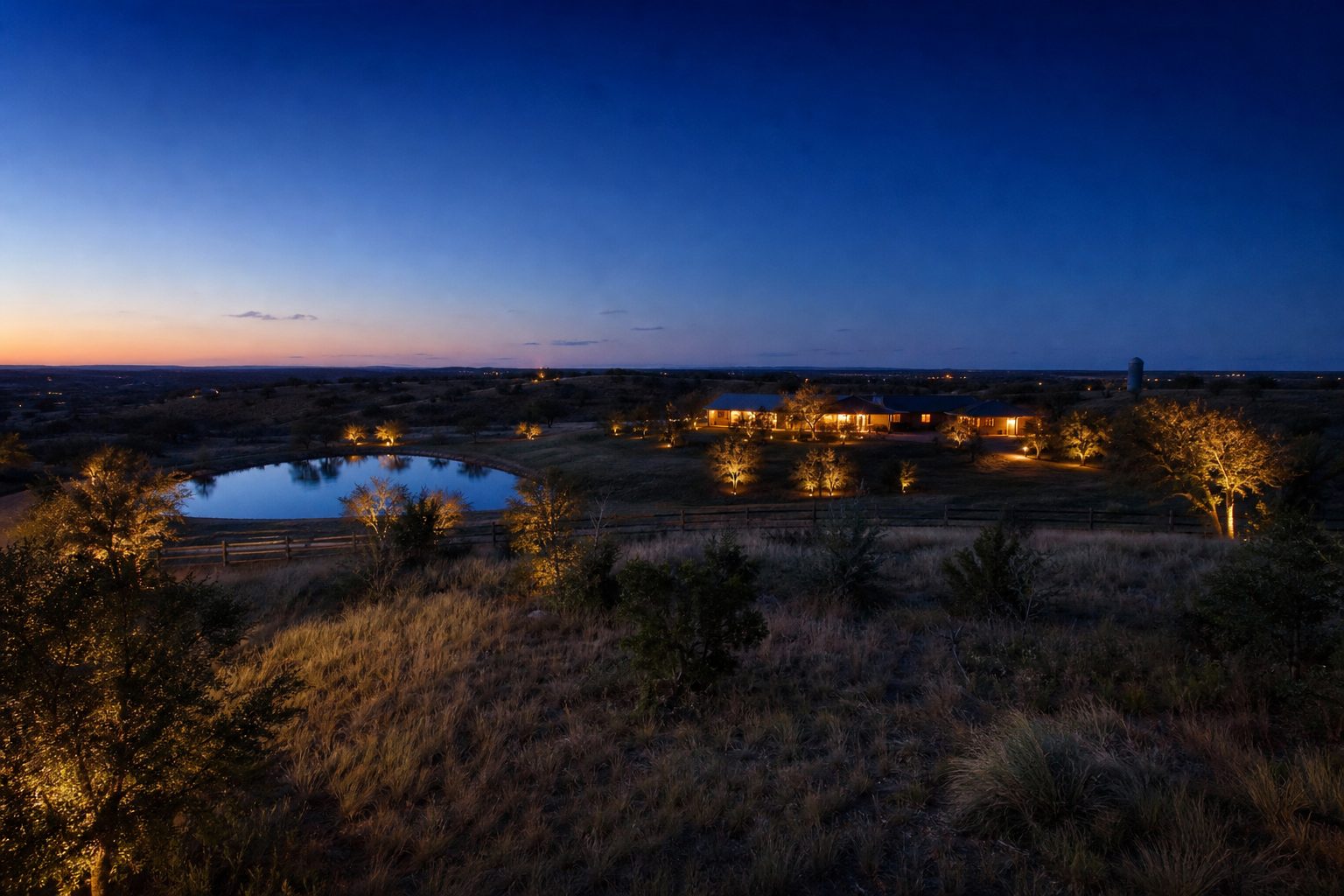
Ranch transactions require specialized professionals. A residential home inspector is not going to evaluate fencing condition, stock tank integrity, or septic systems on 30 acres. Your agent should have a vetted network of land surveyors, environmental consultants, and title companies who routinely handle mineral rights research and easement verification.
Question 10: Will You Be My Partner Beyond the Closing Table?
This is the question that separates a transactional agent from a true advisor. As one long-term client shared in a review: “She helped with my home purchase over 10 years ago. I appreciated that she really considered what we were looking for and helped us understand pros and cons of some various properties. She has also helped with subsequent valuations and refinancing.”
That kind of ongoing relationship is what you should expect from a ranch and land realtor, especially as an investor building a portfolio in a growing market.
Frequently Asked Questions About Choosing a Ranch Realtor in Parker County
What makes Parker County different from other Texas ranch markets?
Parker County combines proximity to the DFW Metroplex with genuine rural character. It sits roughly 30 miles west of downtown Fort Worth along the I-20 corridor, meaning you get acreage and ranch living with metro access. According to census data for Parker County, Texas, the county population reached an estimated 189,860 in 2026, growing at 2.76% annually. That combination of growth and lifestyle is rare.
How long do ranch properties typically take to sell in Parker County?
Ranch properties on 5 or more acres average about 65 days on market in the Weatherford area, according to 2026 market segmentation data. That is more than double the 28-day average for suburban properties. Patience and proper pricing are essential.
What is the median home price in Parker County right now?
According to FRED data, the median listing price in Parker County was $557,175 as of June 2026. The Q2 2026 median sales price was $475,000, per Sotheby’s market data, which was 2% less than Q2 2025.
Do I need a specialized agent for buying raw land in Parker County?
Yes. Raw land transactions involve due diligence around water rights, mineral rights, easements, soil quality, flood zones, and access roads that most residential agents simply are not trained to evaluate. Choosing an agent with specific land expertise protects your investment.
What are agricultural exemptions and why do they matter for investors?
Agricultural exemptions in Texas can reduce your property tax burden by 90% or more on qualifying land used for livestock, crops, or timber production. They are not automatic, and your agent should be able to guide you through the qualification and transfer process.
How important are mineral rights when buying ranch property in Parker County?
Extremely important. In Texas, mineral rights can be severed from surface rights. This means someone else could potentially have the right to extract resources beneath your property. Your agent and title company should research mineral rights ownership thoroughly before closing.
Can I get a conventional mortgage on ranch or land property?
In many cases, no. Raw land and large acreage often require farm credit loans, portfolio loans, or seller financing. Your agent should be able to connect you with lenders experienced in these specialized products.
What surrounding counties should I consider alongside Parker County?
Hood County (Lake Granbury), Palo Pinto County (Possum Kingdom Lake), Wise County (Decatur area), and Jack County (Jacksboro) all offer ranch and land opportunities at varying price points. Each has distinct characteristics suited to different investment strategies.
Is Parker County a buyer’s market right now?
The area is currently considered a buyer’s market with more inventory than buyers, giving you negotiating power. However, 43% of Weatherford listings had a price reduction as of mid-2026, per PropMetrics data, which signals that proper pricing from the start is critical for sellers.
What should I look for in a ranch realtor’s track record?
Look for documented experience with acreage transactions, knowledge of multiple property types (equestrian, cattle, recreational), relationships with land-specific professionals like surveyors and farm credit lenders, and long-term client relationships that demonstrate ongoing commitment.
The Bottom Line on Finding Your Parker County Ranch and Land Realtor
Choosing the right ranch and land realtor in Parker County is not about finding someone with a license and a pulse. It is about finding someone who lives this market, understands the nuances of acreage transactions, and treats your investment with the same care they would treat their own property. With 17 years in this market, over 300+ closed transactions, an ABR designation, and specialties spanning luxury properties, ranches, farm land, lakefront, and investment properties, I have built my career on exactly this kind of expertise. I am not just your agent; I am your neighbor, your advocate, and someone who genuinely cares about finding the right fit for your goals. If you are ready to start asking these questions, I would love to be the one answering them. Give me a call at 817-522-2897 or visit my office at 220 Fort Worth Hwy, Suite 700, in Weatherford.