
What a Good Realtor Does Before Listing Your Ranch in Parker County
What should a good realtor do before listing your ranch or land property in Parker County, Texas?
A good realtor conducts a thorough pre-listing process that includes specialized comps analysis, property documentation of water and mineral rights, agricultural exemption verification, improvement inventories, and a tailored marketing plan built for the longer sales cycle that ranch and land properties demand in Parker County.
Why This Matters Right Now in Parker County
If you’re thinking about selling a ranch or land parcel in Parker County, your timing puts you in an interesting position. In Q2 2026, the median sales price for single-family homes and condos in Parker County was $475,000, down 2% from Q2 2025, according to FRED data. But here’s the number that should grab your attention: closed sales surged 18% year-over-year, reaching 943 transactions, while inventory dropped 5% to 1,291 active listings.
What does that tell you? Buyers are actively moving into this market, especially from the DFW metro, seeking the elbow room that Parker County, Wise County, Hood County, and the surrounding area provide. But ranch properties with five or more acres average 65 days on market in Weatherford, per local market tracking, which is more than double the pace of suburban homes. That gap means the work your realtor does before your land ever hits the market can make or break your sale price, your timeline, and your sanity.
Accurate Pricing Requires Parker County Ranch-Specific Comps
This is where I see sellers lose the most money before they even start: pricing a ranch property like a subdivision home. You cannot look at the median listing price in Parker County, which reached $557,175 as of June 2026 per FRED data, and assume your 40-acre cattle operation should land somewhere in that range. That median is pulled in every direction by suburban half-acre lots, acreage homes, and luxury estates.
Here’s the reality. In Weatherford, the median active listing sits at $642,450 while the median of 684 closed sales came in at $449,997, per local market data compiled as of July 2026. A gap that wide tells you the active pool skews heavily toward larger or higher-end properties. If your realtor is pulling comps from a citywide feed and handing you a number, you’re already starting behind.
What Proper Comps Look Like for Ranch and Land
A good realtor will segment comps by:
- Acreage range: A 15-acre property with cross-fencing and working pens is not comparable to a 2-acre lot with a barn
- Improvement type and condition: Barns, stock tanks, working facilities, road frontage, and fencing all carry measurable value
- Water access: Well permits, stock tanks, creek frontage, and surface water rights can move pricing dramatically in Parker, Palo Pinto, and Jack counties
- Soil and terrain: Bottomland pasture vs. rocky cedar breaks are different products entirely
Five of six tracked Parker County ranch-type sales closed between 94.9% and 97.8% of original list price, per local market analysis. That tells you accurate initial pricing is being rewarded. Meanwhile, one property closed at just 79.9% of its original list after sitting for 243 days. The difference between those outcomes almost always traces back to pre-listing preparation.
With 17 years of experience working in Parker County and the surrounding area, and having closed over 300 transactions, I can tell you that the comping process on a ranch property takes significantly longer than a suburban home. It should. Rushing it costs sellers real money.
Property Documentation That Parker County Buyers Expect
So what should your realtor be assembling before the listing goes live? Think of it as building the buyer’s confidence packet. Ranch and land buyers in this part of Texas, whether they’re coming from Fort Worth along the I-20 corridor or relocating from out of state, are asking detailed questions before they ever schedule a showing.
Mineral Rights and Water Rights
In North Texas ranch transactions, mineral rights are often severed from the surface rights. Your realtor needs to determine whether mineral rights convey with the sale and disclose that clearly. This is not optional; it directly impacts your property’s value to investors and operators. Water rights, well permits, and water quality documentation carry similar weight, particularly in the more rural stretches of Wise, Palo Pinto, and Jack counties where municipal water may not reach your property.
Agricultural Exemption Status
Texas property taxes are significant, but agricultural exemptions are the ranch owner’s most important tax tool. Your realtor should verify your current ag exemption status and document the qualifying agricultural use, whether that’s cattle, hay production, horses, or wildlife management. Buyers need to understand what maintaining that exemption requires, and the tax consequences if it lapses.
Improvement Inventory
Before photographs are taken or a sign goes in the ground, your realtor should be walking the property with you to catalog every physical improvement:
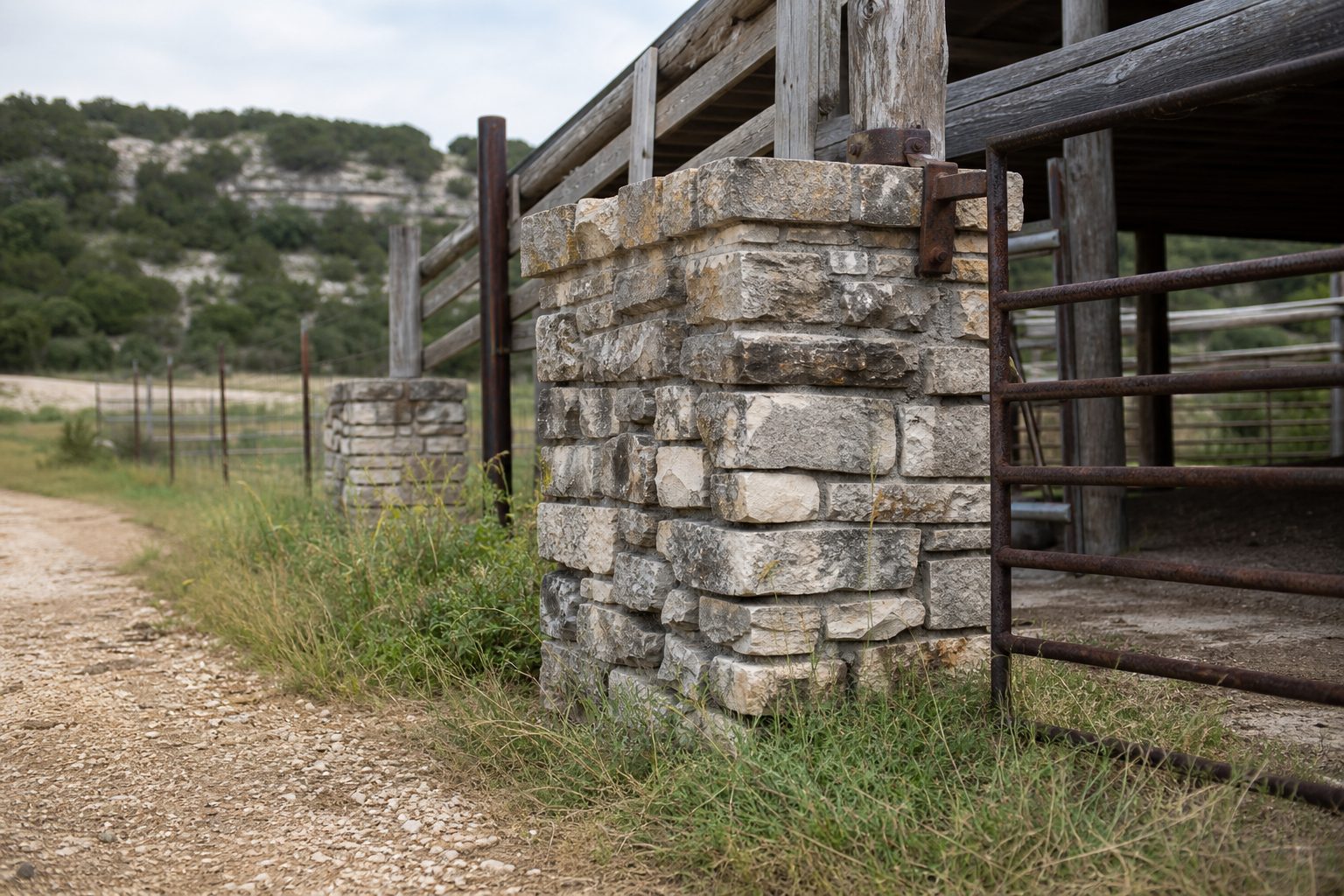
- Fencing: Type, condition, and total linear footage, including cross-fencing
- Structures: Barns, shops, outbuildings, working pens, and covered arenas
- Water infrastructure: Stock tanks, well houses, piping, and troughs
- Road access: Paved vs. caliche, private easements, and county road frontage
This inventory becomes the foundation of your listing description and your marketing materials. Skipping it means your property competes on photos alone, and photos of Texas pasture without context all look the same.
Setting Realistic Timeline Expectations in This Market
Here’s something I always address with my ranch and land sellers early: this is not going to move like a three-bedroom in Willow Park or Hudson Oaks. Ranch properties with five or more acres in Weatherford average 65 days on market, per local tracking data. That’s the average. Some take considerably longer, especially properties priced above $650,000.
The median days on market across all Parker County listings stood at 60.5 days as of July 2026, per FRED data, and 43% of Weatherford listings carried a price reduction as of May 2026, per local market analysis. If your realtor is promising you a quick turnaround on a 50-acre ranch without a clear plan for how they’ll reach qualified buyers, that should concern you.
What does a realistic marketing plan look like? It accounts for the seasonal patterns in this market, identifies the buyer pools most likely to be looking for your specific property type, and includes targeted outreach beyond a standard MLS listing. Investors, equestrian buyers, and cattle operators don’t shop for property the way someone searching for a subdivision home in the 76086 ZIP code does. Your realtor’s network and marketing approach need to reflect that.
Understanding Who Your Parker County Buyer Actually Is
This is where local knowledge separates a good realtor from a general practitioner. The buyer pool for ranch and land properties across Parker County, Hood County, Palo Pinto County, and the surrounding area is not monolithic. You’re looking at several distinct buyer categories:
- DFW professionals seeking weekend ranch properties or retirement acreage, often in the $450,000 to $650,000 range
- Active ranchers and agricultural operators who need working land with infrastructure already in place
- Equestrian buyers looking for improved horse properties with arenas, barns, and proximity to trails
- Investors evaluating land for development potential, recreational use, or long-term appreciation
- Lake property seekers targeting areas near Possum Kingdom Lake in Palo Pinto County or lake-adjacent land in Hood County
Each of these buyer types evaluates your property differently. What an equestrian buyer considers essential, a developer may not care about at all. A good realtor tailors the listing presentation, the marketing language, and the showing approach to the buyer segments most likely to pay top dollar for your specific property.
Rated 5 out of 5 stars by past clients, I’ve built my career on understanding exactly this kind of nuance. Living on a ranch myself, raising cattle, and participating in the equestrian community here in Parker County gives me a perspective that most agents simply don’t carry into a listing appointment.
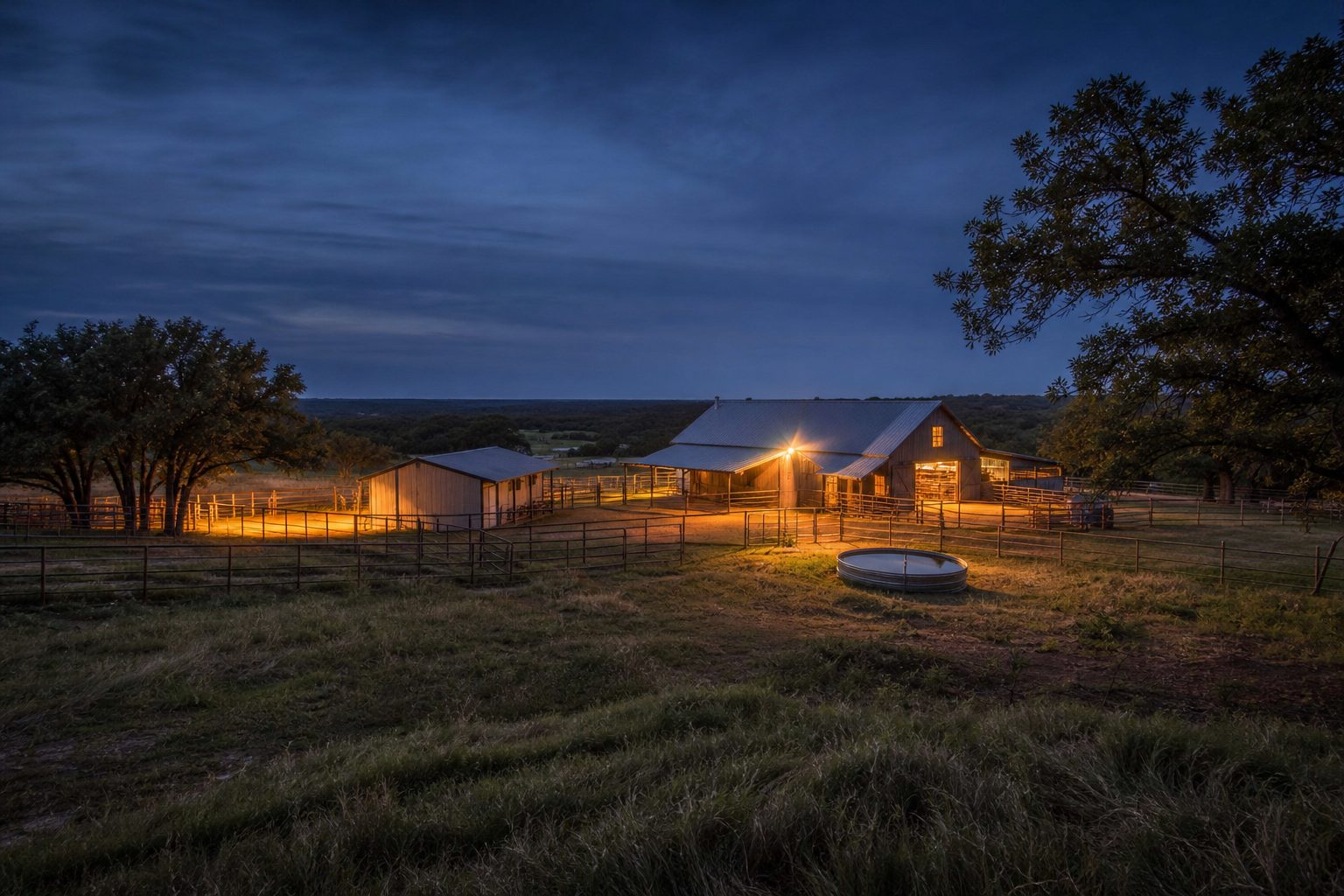
Survey, Boundaries, and Legal Preparedness
One of the most common surprises in rural property transactions is discovering that fence lines don’t match legal descriptions. On a quarter-acre lot in a Weatherford subdivision, this is a minor headache. On a 75-acre ranch, it can delay or kill a deal.
Before listing, your realtor should recommend a current survey or, at minimum, a review of the existing survey against physical improvements and fence lines. If there are easements, shared access roads, or utility corridors crossing the property, those need to be documented and disclosed upfront. Flood zone mapping and soil assessments are also worth gathering early, particularly for properties along creek bottoms or in the transitional terrain between Parker and Palo Pinto counties.
The goal is simple: eliminate surprises during the buyer’s due diligence period. Every surprise that surfaces after a contract is signed gives the buyer negotiating power you’d rather keep on your side.
Frequently Asked Questions
How long does it take to sell a ranch property in Parker County, Texas?
Ranch properties with five or more acres in Weatherford average roughly 65 days on market, per local tracking data. Across all Parker County property types, the median days on market was 60.5 days as of July 2026, per FRED data. Larger and higher-priced properties typically take longer. Your realtor should build a marketing timeline that accounts for a sales cycle measured in months, not weeks.
Do mineral rights affect the listing price of ranch land in Parker County?
Absolutely. Whether mineral rights convey with the surface estate is one of the most significant value factors in North Texas ranch transactions. Your realtor should research and disclose the mineral rights status before listing so buyers can evaluate the complete ownership picture and so your pricing reflects what is actually being sold.
What is an agricultural exemption and why does it matter when selling land?
An agricultural exemption in Texas reduces the taxable value of your land based on its agricultural productivity rather than market value. Given that Texas property taxes are substantial, maintaining an ag exemption can save thousands annually. Buyers need to understand the qualifying use and what happens to taxes if the exemption is removed.
How does a realtor determine accurate pricing for ranch properties?
A skilled realtor pulls comparable sales data specific to your property type, acreage range, and improvement level rather than relying on citywide median figures. In Parker County, five of six tracked ranch-type sales closed between 94.9% and 97.8% of original list price, showing that precise initial pricing is rewarded.
Should I get a new survey before listing my Parker County land?
In most cases, yes. Fence lines on large acreage properties frequently don’t match legal descriptions. A current survey prevents boundary disputes from surfacing during buyer due diligence and gives buyers confidence that they know exactly what they’re purchasing.
What documentation should be ready before listing ranch land in Texas?
Your realtor should help you compile well permits, water quality tests, mineral rights documentation, agricultural exemption records, an improvement inventory (fencing, barns, pens, stock tanks), survey or plat maps, easement agreements, and any environmental or flood zone information.
Why do ranch properties take longer to sell than suburban homes?
The buyer pool is smaller and more specialized. Ranch buyers evaluate factors like water access, soil quality, mineral rights, and working infrastructure that suburban buyers never consider. Marketing needs to reach targeted audiences, and financing options for large acreage are more limited than conventional home mortgages.
What role does water access play in Parker County land values?
Water access is a primary value driver for ranch and land management in Parker County and the surrounding counties of Wise, Palo Pinto, Hood, and Jack. Well permits, stock tank capacity, creek frontage, and surface water rights all directly impact what buyers are willing to pay.
How does the Parker County market compare for investors looking at ranch land?
Investors are watching Parker County closely due to population growth, strong demand from DFW buyers seeking rural property, and expanding infrastructure, per market analysis. The median listing price reached $557,175 as of June 2026, per FRED data. The $1M to $2M price segment saw a 36% increase in closed sales year-over-year in Q2 2026.
What financing challenges exist for ranch and land purchases in Texas?
Conventional mortgages often don’t apply to raw land or large acreage purchases. Buyers typically work with farm credit institutions, portfolio lenders, or seller financing arrangements. A good realtor understands these options and markets your property to buyer pools that have realistic access to appropriate financing.
The Bottom Line
Selling a ranch or land property in Parker County is a fundamentally different process than selling a suburban home, and it deserves a fundamentally different pre-listing approach. The work that happens before the listing goes live, from specialized comps analysis and property documentation to buyer targeting and timeline planning, determines whether you sell close to asking price or watch your property sit on market while accumulating price reductions.
If you’re considering listing ranch or land in Parker County, Weatherford, or the surrounding counties of Hood, Palo Pinto, Wise, or Jack, I’d welcome the conversation. With 17 years of experience, over 300+ closed transactions, and the daily reality of living the ranch life myself right here in Parker County, I bring a perspective to this work that’s rooted in genuine understanding of the land. You can reach me, Lynae Amason, at 817-522-2897 or visit my office at 220 Fort Worth Hwy, Suite 700, Weatherford, TX 76086. Let’s make sure your property gets the preparation it deserves before it ever hits the market.