
Cost of Living in Weatherford, TX vs. Fort Worth for Real Estate Investors
How does the cost of living in Weatherford, TX compare to Fort Worth, and what does that mean for your real estate investment strategy?
Weatherford generally offers lower acquisition costs and potentially lower combined property tax rates than Fort Worth, giving investors a structural edge on entry price and total cost of ownership, though each market carries distinct risk profiles worth evaluating carefully.
Why This Matters Right Now in Weatherford and Parker County
If you’re an investor scanning the DFW metro for your next deal, the cost gap between Parker County and Tarrant County isn’t just a lifestyle footnote. It directly shapes your cap rate, your gross rent multiplier, and how quickly you can scale a portfolio. Weatherford sits roughly 25 miles west of Fort Worth along I-20, close enough to pull from Fort Worth’s employment base while operating in a market with fundamentally different cost dynamics.
With 17 years of experience working across Parker County, I watch investors overlook Weatherford because they assume “farther from downtown” means “less opportunity.” What I consistently see, though, is the opposite: investors who run the numbers on both markets often find that Weatherford’s lower acquisition cost, combined with solid rental demand from households relocating out of the Tarrant County core, creates a more favorable return profile than they expected. The question isn’t whether one market is “better.” It’s which cost structure aligns with your specific strategy.
Property Tax Differences Between Weatherford and Fort Worth
Here’s something every out-of-state investor needs to understand: Texas has no state income tax. That’s a structural advantage that applies equally whether you buy in Weatherford or Fort Worth. Your rental income and capital gains proceeds aren’t taxed at the state level, period.
But property taxes are a completely different story, and this is where Weatherford and Fort Worth diverge meaningfully.
In Texas, your effective property tax rate is the sum of levies from the county, city, school district, and any special districts. Parker County’s combined rates for properties within Weatherford city limits have historically trended lower than the combined rates applicable to comparable Fort Worth addresses in Tarrant County. I tell my clients to verify current rates directly with the Parker County Appraisal District and the Tarrant Appraisal District, since rates are certified annually and the 2026 figures may differ from prior years. Don’t take anyone’s word for it; pull the schedules yourself.
What Investors Miss About Appraisal Caps
Here’s the detail that catches first-time Texas investors off guard: the state’s 10% annual appraisal increase cap, established under Section 23.23 of the Texas Tax Code, applies only to owner-occupied homesteads. Your investment property, whether it’s a rental in Weatherford or a flip in Fort Worth, receives no cap. Appraised values can rise without limit year over year. In a rapidly appreciating submarket, that means your tax bill can jump significantly from one year to the next. This risk exists in both markets, but it’s especially important to model when you’re underwriting deals in areas experiencing sustained price compression between the two counties.
So what does this actually mean for your monthly cash flow? It means you need to stress-test your pro forma with aggressive appraisal growth assumptions, not just the polite 3% annual bump many investors default to.
Acquisition Costs: Where Weatherford Gives You an Edge
The single biggest cost-of-living differentiator for investors comparing these two markets is how much it costs to get into a deal. Parker County has historically offered lower median detached single-family home prices than Tarrant County, based on historical market patterns — exact figures should be confirmed in the current NTREIS Local Market Update PDFs before underwriting. While I can’t cite a precise median figure from this data cycle, the NTREIS Local Market Update PDFs should be consulted for exact numbers before drawing conclusions.
What does a lower entry point buy you? Potentially higher gross-rent-to-price ratios. If you’re collecting comparable or slightly lower rents but your acquisition cost is meaningfully less, your return on invested capital improves. For first-time home buyers in the Fort Worth metro who are pivoting toward investment, Weatherford can be the market where the math finally works.
Having closed over 300 transactions across Parker County and surrounding areas, I can tell you the price gap between these markets has compressed over the past several years, a trend that has occurred alongside sustained demand from buyers relocating westward from Tarrant County, among other factors. That compression is worth watching. It means Weatherford’s cost advantage, while still real, isn’t as wide as it was several years ago.
Rental Demand and Vacancy Risk in Both Markets
Lower acquisition cost doesn’t matter much if you can’t keep a property occupied. So let’s talk about what drives rental demand in each market.
Fort Worth and Tarrant County benefit from a larger, more diversified employment base. Defense, healthcare, logistics, and aviation all sustain rental demand across multiple renter cohorts.
Weatherford’s Rental Profile
Weatherford and Parker County rental demand is more concentrated. You’re primarily drawing renters from two pools: households relocating from the DFW core seeking lower housing costs, and workers in agriculture, trades, and local industries. That’s a thinner renter pool, which means vacancy assumptions need to be more conservative in your underwriting.
In my experience, the trade-off works like this: Weatherford may offer higher cap rates alongside that thinner demand, while Fort Worth offers more liquidity and predictability. Your strategy dictates which profile serves you better. If you’re a buy-and-hold investor with a long time horizon, Weatherford’s fundamentals can be very compelling. If you need maximum tenant turnover speed, Fort Worth’s depth is hard to beat.
Insurance, Utilities, and Operating Costs Across Parker and Tarrant Counties
Beyond taxes and acquisition price, your operating costs will shape your bottom line every single month.
Insurance Premiums
Texas wind and hail insurance premiums have risen sharply across North Texas in recent years. Parker County properties, particularly those in more rural areas farther from urban fire-station coverage, may carry higher homeowners insurance premiums than comparable urban Fort Worth properties. I always recommend getting property-specific insurance quotes for both markets before you finalize any underwriting. Don’t use statewide averages; they’ll mislead you.
Utilities
Utility costs are set by local providers and vary by municipality. In Weatherford, much of the city is served by Weatherford Utilities. Fort Worth properties may be served by Oncor for electricity and the City of Fort Worth water system. The rate structures differ, and while the gap varies by property and provider, it can compound across a portfolio.
The Bottom Line on Operating Costs
Broadly, these costs are similar but not identical between the two markets. The real differentiator isn’t any single line item; it’s how they stack when combined with your tax rate and acquisition cost. Run your numbers market by market, property by property. That’s what separates investors who build wealth from those who just collect properties.
Land, Acreage, and Agricultural Exemptions in Parker County
This is the section where Weatherford pulls away from Fort Worth in a way that’s almost impossible to replicate in Tarrant County.
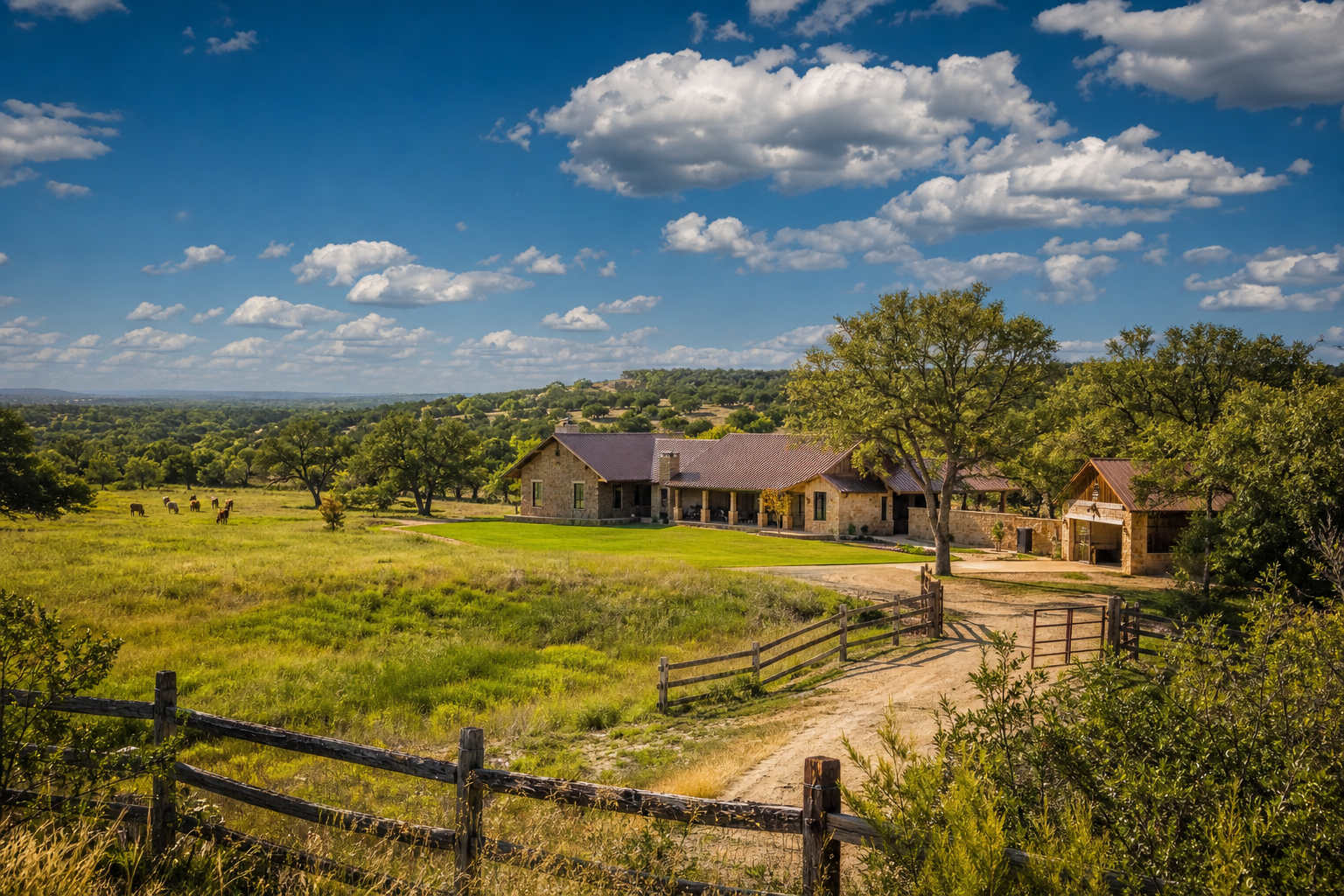
A significant share of Parker County investment activity involves properties with acreage: ranch properties, equestrian estates, rural residential, and raw land held for future development. Living on a ranch in Parker County myself and raising cattle, I understand these properties from the inside out. They carry fundamentally different cost structures than urban Fort Worth investments.
Agricultural Exemption Advantages
If you’re looking at land in Parker County, the agricultural exemption is one of the most powerful tools in your toolkit. Qualifying land can have its taxable value assessed at agricultural-use value rather than market value, per the Parker County Appraisal District’s current ag-use schedules. In qualifying situations, that agricultural-use value can potentially be a fraction of market value, which can reduce your annual tax bill substantially. The exact reduction depends on the property’s qualifying use, the appraisal district’s schedules, and whether the exemption is already in place or needs to be established (which may involve additional tax considerations an estate attorney or the Parker County Appraisal District can clarify).
Fort Worth simply can’t offer this. You won’t find 10-acre tracts with ag exemption potential inside Tarrant County’s urban core. For investors interested in luxury properties in Parker County, lake properties near Possum Kingdom Lake, or recreational land across Palo Pinto, Wise, Hood, or Jack counties, this exemption framework is a defining cost advantage.
Financing Considerations for Acreage
Properties with acreage may require rural lenders or USDA programs rather than conventional financing. That changes your closing costs, your interest rate, and your timeline. Factor it into your comparison.
Frequently Asked Questions
Does Texas charge state income tax on rental income from Weatherford properties?
No. Texas imposes no personal state income tax, which means your rental income from properties in both Weatherford and Fort Worth is sheltered from state-level income taxation. This benefit is identical regardless of which market you invest in and is a foundational reason DFW-area real estate attracts out-of-state investors looking to maximize cash flow.
Are property tax rates lower in Weatherford than in Fort Worth?
Parker County’s combined property tax rates for properties within Weatherford city limits have historically trended lower than comparable Fort Worth addresses in Tarrant County. However, rates are set annually by local taxing entities. I recommend verifying current 2026 certified rates directly with the Parker County Appraisal District and the Tarrant Appraisal District before making any investment decision.
Does the Texas homestead exemption apply to investment properties in Parker County?
No. The Texas homestead exemption, including the 10% annual appraisal increase cap under Section 23.23 of the Texas Tax Code, applies only to owner-occupied primary residences. Your rental properties, short-term rentals, and vacant land held for appreciation in both Weatherford and Fort Worth receive no cap and no exemption.
What is an agricultural exemption and can investors use it in Weatherford?
An agricultural exemption allows qualifying land to be appraised at its agricultural-use value rather than market value, potentially reducing your tax bill significantly. Land in Parker County used for ranching, farming, or other qualifying agricultural purposes may be eligible. The specifics depend on the Parker County Appraisal District’s current schedules and whether the property meets ongoing use requirements.
Is Weatherford too far from Fort Worth for rental demand to be reliable?
Weatherford is approximately 25 miles west of Fort Worth along I-20. Rental demand here is primarily driven by households relocating from the DFW core seeking lower housing costs and by local workers. While the renter pool is thinner than Fort Worth’s, migration westward from Tarrant County has been a demand driver, though investors should underwrite vacancy conservatively given the thinner renter pool.
What types of investment properties are available in Parker County?
Parker County offers a wide range of investment opportunities that Fort Worth’s urban core cannot match: ranch properties, equestrian estates, raw land, luxury properties, lake properties near Possum Kingdom Lake, recreational land, and traditional single-family rentals. This diversity is a key differentiator for investors with varied strategies.
Are insurance costs higher in Weatherford than Fort Worth?
They can be. Parker County properties, especially those in rural areas with greater distance from fire stations, may carry higher homeowners insurance premiums. Texas wind and hail premiums have risen across North Texas in recent years. Always obtain property-specific quotes rather than relying on regional averages.
Which market has better cap rates for buy-and-hold investors?
Weatherford has historically offered potentially higher gross-rent-to-price ratios due to lower acquisition costs — though investors should confirm current median price figures from the NTREIS Local Market Update PDFs before drawing conclusions. However, Fort Worth’s deeper tenant pool and lower vacancy risk may produce more predictable returns. Your optimal choice depends on whether you prioritize yield or liquidity in your investment strategy.
Can I use USDA financing for properties in Parker County?
Certain rural areas within Parker County may qualify for USDA loan programs, which can affect your down payment requirements and closing costs. Eligibility depends on the specific property location and the current USDA eligibility map. Traditional and rural lenders familiar with acreage properties are also active in this market.
How do I verify current property tax rates for Weatherford and Fort Worth?
Visit the Parker County Appraisal District (parkercad.org) for Weatherford rates and the Tarrant Appraisal District (tad.org) for Fort Worth rates. Both districts publish certified tax rate information annually. As someone with 17 years in this market, I always direct my investor clients to these primary sources rather than relying on third-party estimates.
The Bottom Line on Weatherford vs. Fort Worth Cost of Living for Investors
Your investment strategy should drive which market you choose, not the other way around. Weatherford and Parker County offer lower acquisition costs, potential property tax advantages, and access to acreage and agricultural exemptions that simply don’t exist in Fort Worth’s urban core. Fort Worth offers deeper rental demand, more liquidity, and a diversified employment base that reduces vacancy risk.
If you’re evaluating either market, or building a portfolio that spans both, I’d welcome the conversation. Rated 5 out of 5 stars by past clients and having closed over 300 transactions across Parker County and surrounding areas, I bring the kind of ground-level knowledge that spreadsheets alone can’t provide. One long-time client recently shared that my “local knowledge of available properties is invaluable” and called me “a true professional in every sense.” Reach me at 817-522-2897 or visit my office at 220 Fort Worth Hwy, Suite 700, Weatherford, TX 76086. Whether you’re looking at ranch properties in Parker County, lake properties near Possum Kingdom Lake, or your first investment in the Fort Worth metro, I’m here to help you run the numbers that matter.